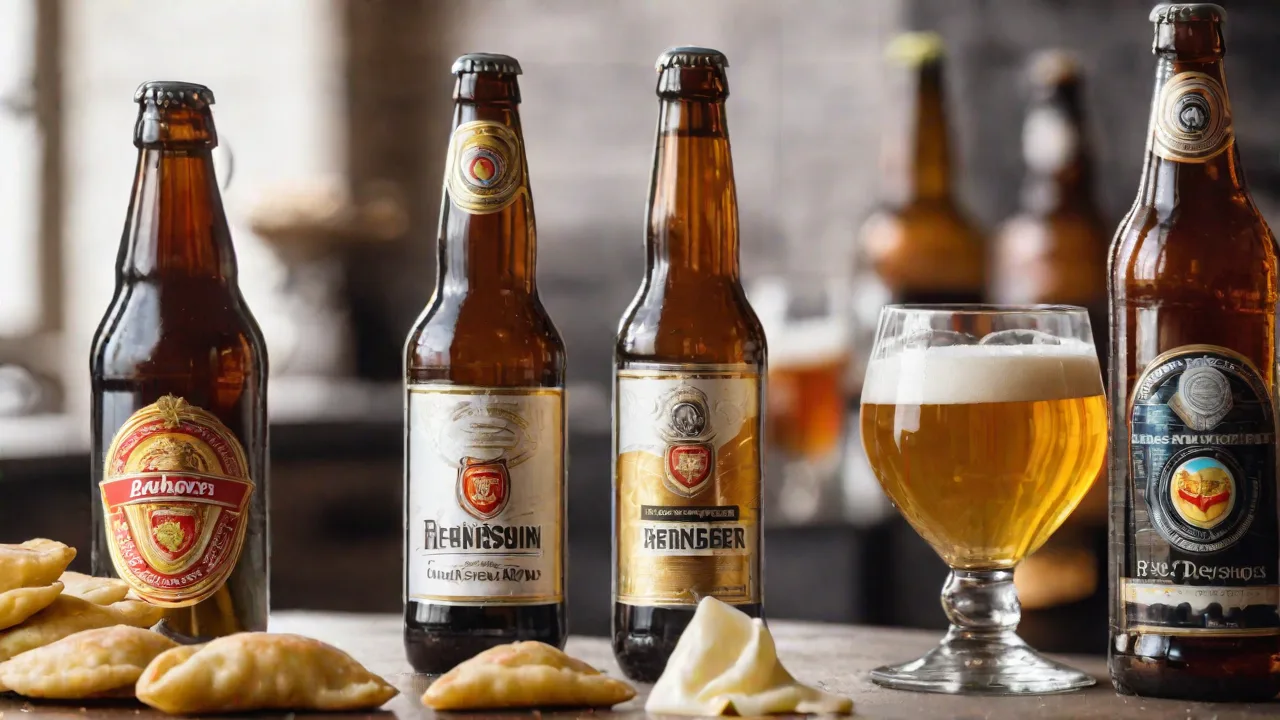
Best German Beers for Pairing with German-style Pierogis and Dumplings
Introduction: The Rich Heritage of the German Dumpling Table
In the culinary landscape of Germany, the dumpling—known as "Knödel" in the south and "Kloß" in the north and east—represents the ultimate symbol of comfort, tradition, and home-style cooking. From the dense, herb-infused bread dumplings of Bavaria to the delicate pasta pockets of Swabia (Maultaschen) and the hearty potato dumplings of Thuringia, these doughy creations have sustained regional communities for centuries. Structurally, dumplings are a masterclass in texture: they are soft, dense, and starch-rich, designed to absorb rich gravies, melted butter, and savory meat juices. Fills can range from seasoned pork and smoked bacon to fresh forest mushrooms, spinach, and sweet summer plums. Pairing a beverage with such a heavy, starchy, and often fat-rich dish requires a drink that can cut through the dense textures, refresh the tongue, and complement the savory fillings. In Germany, this companion has always been beer. The natural relationship between the local brewhouse and the rustic tavern kitchen created a culture where different beer styles were matched with regional dumplings to achieve balance. This guide explores the best German beer pairings for German-style pierogis and dumplings, analyzing how the carbonation, malt sugars, and yeast profiles of traditional brews interact with starch, fats, and savory fillings to elevate the classic comfort meal.
The geography of the German dumpling is diverse, reflecting the agricultural history of the country's states. In regions with sandy soils perfect for potatoes, such as Thuringia and Saxony, potato dumplings dominate the table, while forested areas like Bavaria favor bread dumplings seasoned with wild mushrooms. Each of these variations changes the density, fat content, and acidity of the dish, requiring a specific style of beer to achieve harmony. By exploring the science behind these pairings—such as how the clove phenols in a Hefeweizen cut through a rich mushroom cream sauce, or how the roasted Munich malts in a Dunkel match caramelized onions—we can design menus that highlight these humble, hand-crafted comfort foods.
Swabian Maultaschen: Munich Dunkel and Altbier
In the southern region of Swabia, "Maultaschen" are a culinary icon. Legend has it that Cistercian monks at the Maulbronn Monastery invented these large pasta pockets during Lent to hide minced meat from the eyes of God, earning them the nickname "Herrgottsb'scheißerle" (little God-cheaters). Maultaschen are filled with a mixture of minced pork, beef, smoked bacon, spinach, onions, parsley, and soaked bread, seasoned with nutmeg and marjoram. They are served either simmered in a hot, clear beef broth or sliced and pan-fried with caramelized onions (Maultaschen geschmälzt). The flavor profile is savory, herbal, and rich, with a soft pasta coating and a dense, spiced meat interior.
The primary challenge in pairing beer with Maultaschen is balancing the rich meat filling and caramelized onions without clashing with the delicate pasta wrapper. The beer must offer a solid malt backbone to match the caramelized onions, combined with enough carbonation to cut the sausage fat. The perfect partners are Munich Dunkel or a copper Altbier.
A Munich Dunkel, brewed predominantly with dark Munich malts, features a rich copper-to-brown color and prominent flavors of toasted bread crust, mild caramel, and toasted nuts. The bready malt sugars of the Dunkel align perfectly with the wheat pasta dough of the Maultaschen, while the caramelized malt notes bridge the sweet, pan-fried onions. The clean lager finish ensures the palate is refreshed. Alternatively, a Düsseldorf-style Altbier offers a clean, top-fermented option. The firm noble hop bitterness of the Altbier cuts through the rich bacon and pork fat in the filling, while its copper malt sweetness complements the herbs, resulting in a balanced, historic pairing that represents the best of German tavern dining.
Bavarian Bread Dumplings: Hefeweizen and Weizenbock
Classic Bavarian bread dumplings (Semmelknödel) are prepared by mixing stale white bread rolls (Semmeln) with warm milk, sautéed onions, fresh parsley, eggs, and salt, shaping the mixture into large balls and simmering them in hot water. Semmelknödel are traditionally served in a rich cream sauce loaded with sautéed wild forest mushrooms (Schwammerl), onion, garlic, and fresh herbs. The texture is soft, spongy, and coating, with a deeply savory (umami), earthy, and creamy flavor profile.
Earthy wild mushrooms and rich cream sauces pose a major challenge: they coat the taste buds, making subsequent bites feel heavy. To combat this, a beer needs high carbonation, bright acidity, and complementary yeast aromatics. The perfect style is a classic Bavarian Hefeweizen or a darker Weizenbock.
Hefeweizen is an unfiltered wheat beer known for its high level of carbonation and yeast-driven banana and clove aromatics. The active effervescence of the Hefeweizen acts as an engine, bubbling through the heavy mushroom cream sauce and clearing the tongue. The yeast phenols (clove) provide a spicy contrast that complements the garlic and fresh parsley in the sauce, while the banana esters offer a sweet fruitiness that highlights the earthy forest mushrooms. The soft, fluffy mouthfeel of the wheat beer matches the spongy texture of the bread dumpling, creating a luxurious sensation that makes the entire meal feel lighter and more digestible. For a richer, winter version of the dish, a dark Weizenbock offers caramelized malt sugars that bridge the roasted notes of sautéed porcini mushrooms.
Fried Potato Dumplings and Schupfnudeln: Kellerbier and Zwickelbier
In Thuringia and Bavaria, potato dumplings (Kartoffelknödel) are a staple, often prepared from a mixture of raw and cooked grated potatoes, stuffed with a crispy bread crouton at the center. A popular variation is "Schupfnudeln" (finger-shaped potato dumplings), which are pan-fried in butter until crispy and golden-brown, then tossed with sauerkraut and smoked bacon (Speck). The flavor profile of this dish is intense: salty pork, sour lactic sauerkraut, sweet caramelized butter, and a dense, starchy potato core.
The starchiness of the potatoes and the fat of the butter and bacon can easily coat the mouth. The beer pairing must manage both the heavy texture and the accompanying elements of salt and acid. The ideal companion is an unfiltered, rustic Kellerbier or Zwickelbier.
Kellerbier is an unfiltered, unpasteurized lager that contains active yeast in suspension, giving it a cloudy appearance and a soft, full mouthfeel. The yeasty esters and bready malt flavors of the Kellerbier align perfectly with the starchy potato base of the Schupfnudeln, while its low carbonation and soft malt profile allow the bright, vinegary tang of the sauerkraut to shine without creating a harsh metallic reaction. The subtle sulfur notes and earthy hop character of the unfiltered lager highlight the smoked bacon, resulting in a balanced, rustic dining experience that highlights the quality of both the kitchen and the cellar.
Sweet Yeast and Fruit Dumplings: Doppelbock and Eisbock
Dumplings also play a major role in the German dessert catalog. In Bavaria and Austria, "Zwetschgenknödel" (plum dumplings) are prepared by wrapping a sweet potato or cheese dough around whole, tart purple plums, boiling them, and rolling the hot dumplings in toasted, buttered cinnamon breadcrumbs. Similarly, "Dampfnudeln" are sweet, yeasted dough dumplings that are steamed in a closed pot with milk and butter until they develop a caramelized crust at the bottom, served hot with a rich vanilla custard. The flavor profile is sweet, tart, spicy (cinnamon), and creamy.
These rich, sweet, and fruit-filled desserts require a bold, high-gravity beer that can match the sweetness of the custard and breadcrumbs while providing alcohol warmth to cut the butter fat. The traditional pairing is a rich Bavarian Doppelbock or an Eisbock.
Doppelbock is a strong, malt-forward lager with deep flavors of dark fruits, raisins, toasted bread, and caramel. The intense malt sweetness of the Doppelbock provides a perfect counterweight to the tart plums, while its caramel malt flavors blend harmoniously with the toasted breadcrumbs and vanilla custard. The beer's high alcohol content acts as a solvent, gently dissolving the butter fats on the tongue and clearing the palate. This pairing is a celebration of intensity, where sweet spices meet rich, warming malts, creating a complex and satisfying dessert experience.
The Role of Glassware in Dumpling Pairings
Proper glassware is essential to maximize the sensory impact of these dumpling pairings. Serving a Bavarian Hefeweizen in a tall, vase-like Weissbier glass allows the yeast suspension to distribute evenly, ensuring that the banana and clove aromatics remain present throughout the meal to cut through the rich mushroom cream sauce. A Munich Dunkel or traditional Märzen should be served in a thick, heavy ceramic Stein (Steinkrug) or a Willibecher. The thick walls of the Stein keep the lager cold, preventing it from heating up next to a hot plate of steaming Knödel, while the wide rim allows you to take hearty gulps that wash down the dense starch. Stronger dessert beers like Doppelbock or Eisbock must be served in a stemmed Tulip or Snifter. The spherical bowl lets you swirl the beer to release its volatile dark-fruit esters, while the tapered rim concentrates the alcohol warmth that cuts through the butter fat of plum dumplings. Glassware is not just for show; it is a structural tool that directly influences how the beverage interacts with the food on your palate.
Traditional Dumpling Preparation and Kitchen Techniques
The texture of a German dumpling is directly defined by the preparation technique used in the kitchen, which in turn influences the beer pairing. For bread dumplings, the stale rolls must be sliced thinly and soaked in warm milk rather than water, which preserves a soft, spongy structure that absorbs the savory gravy. If the bread is soaked too long or squeezed too hard, the dumpling becomes dense and heavy, requiring a beer with higher carbonation like a Pilsner rather than a soft Hefeweizen to refresh the tongue. For potato dumplings, a mixture of raw and cooked grated potatoes is used to achieve the perfect balance of starch and moisture. The raw potatoes provide a clean starch bite, while the cooked potatoes act as a binder. Stuffing a crispy bread crouton in the center of a potato dumpling is a traditional trick that adds a surprising crunch, mirroring the toasted, bready malt sugars of a Märzen or Kellerbier. By understanding these kitchen details, we can choose beers that complement not only the flavors but also the physical textures of the dumplings.
The Science of Starch, Yeast, and Palate Cleansing
The success of pairing German beers with dumplings is governed by three primary pillars: fat cutting, texture matching, and flavor bridging. When dumplings are boiled or fried, their starch forms a dense film on the tongue. The active carbonation in German beers acts as a surfactant, breaking this starch film. At the same time, the malt compounds in the beer mirror the bready flavors of the dough.
Furthermore, the temperature of the beer directly influences the effectiveness of this starch scrubbing. If the beer is served too cold, it will numb the taste buds, making it harder to perceive the delicate herbal seasonings inside the dumplings. If it is served too warm, the carbonation releases too quickly in the glass, leaving the liquid flat and unable to sweep the sticky starch from the tongue. Finding the correct balance ensures that the physical properties of the beer work in tandem with its chemical components.
The table below provides a quick-reference guide to matching specific dumpling preparations with their ideal German beer partners, outlining the key components and the physical mechanics of the pairing:
| Dumpling Style | Breading/Sauce | Ideal Beer Style | Key Pairing Mechanic |
|---|---|---|---|
| Swabian Maultaschen | Simmered in beef broth / Fried with onions | Munich Dunkel | Bready malts match pasta; carbonation cuts pork fat. |
| Bavarian Semmelknödel | Mushroom cream sauce (Schwammerl) | Bavarian Hefeweizen | Clove phenols cut cream; banana esters mirror forest mushrooms. |
| Kartoffelknödel | Butter gravy, roast pork juices | Märzen | Vienna malts match roasted gravy; clean finish cuts starch. |
| Pan-fried Schupfnudeln | Sauerkraut and smoked bacon | Kellerbier / Zwickelbier | Yeast suspension matches potato; soft hops balance sauerkraut acid. |
| Zwetschgenknödel | Sweet plums, cinnamon breadcrumbs | Doppelbock / Eisbock | Malt sweetness tempers plum acidity; alcohol cuts butter. |
By adjusting the beer selection based on the specific sauce and dumpling style, taverns and home cooks can create a balanced dining experience that highlights the quality of both the kitchen and the cellar. This systematic approach ensures that the beer is not merely a drink, but an active component of the dish, enhancing its textures and cutting its rich fats.
Conclusion: Raising a Glass to Tavern Comfort
The pairing of German dumplings with classic regional beers is a testament to the enduring wisdom of traditional tavern culture. Each pairing is designed to solve a specific culinary problem: Pilsner cuts grease, Dunkel mirrors gravy, Hefeweizen lifts cream, and Doppelbock tames sweet-and-savory contrasts. By understanding these interactions, we can appreciate the technical skill involved in both rolling the perfect dumpling and brewing the perfect pint. Whether sitting in a sun-drenched Munich beer garden or cooking at home, raising a glass of fresh German beer alongside a plate of hot, steaming dumplings is the ultimate way to experience the comforting flavors of the Alpine table. Prost!