German Beer Pairings for Authentic Bavarian Schnitzel Dishes
Introduction: The Golden Crunch of the Bavarian Alpine Table
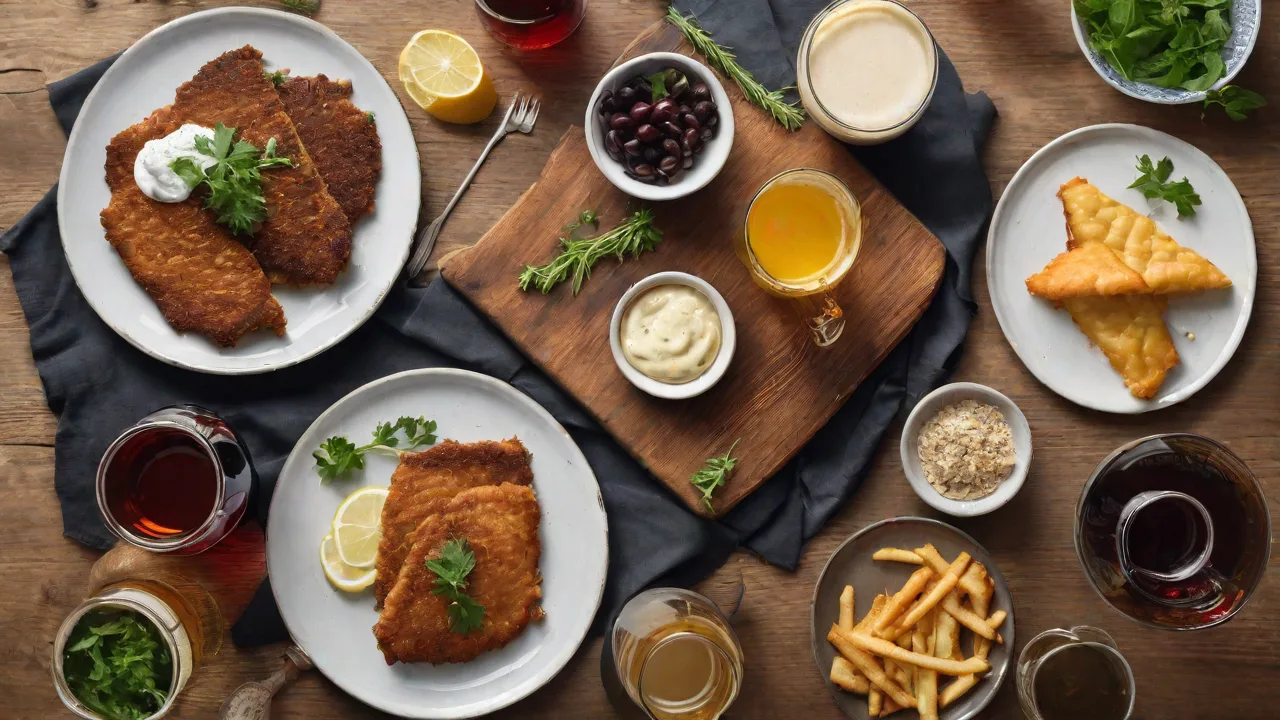
Few dishes evoke the warmth and hospitality of a Bavarian tavern like a freshly fried Schnitzel. Characterized by its golden, crispy breading that rises in delicate waves (known as souffléing) and its tender meat interior, the Schnitzel is a masterpiece of culinary technique. While the classic Wiener Schnitzel is protected by culinary tradition and must be made from veal, Bavarian kitchens have embraced a wide variety of Schnitzel styles, utilizing pork, chicken, and regional toppings to create hearty comfort food. Frying a breaded cutlet in clarified butter (Schmalz) or oil creates a rich sensory experience that combines fat, salt, and protein with the crunchy texture of the breading. To balance this richness, a beverage must offer structural support, carbonation, and complementary flavors. In Bavaria, the traditional choice is beer. The history of Bavarian brewing is deeply intertwined with tavern dining, resulting in beer styles that are naturally suited to complement the textures and flavors of fried meats. This guide provides a detailed analysis of the best German beer pairings for authentic Bavarian Schnitzel dishes, exploring how different brewing styles interact with various coatings, sauces, and cooking fats to elevate the classic tavern meal.
The history of the Schnitzel is a fascinating journey of cultural exchange. While the dish is synonymous with Austrian and German cuisine, the technique of coating meat in breadcrumbs and frying it can be traced back to ancient Rome and northern Italy, where the "Cotoletta alla Milanese" remains a classic. In the 19th century, this style migrated north to Vienna, where it was refined into the Wiener Schnitzel. As the dish spread into Bavaria, local taverns added their own regional twists, adapting the breading and sauces to match the hearty beers of the region. The relationship between the tavern kitchen and the local brewery was symbiotic: the salty, fried crust of the Schnitzel encouraged diners to order more beer, while the refreshing qualities of the beer allowed them to eat more of the rich food. Today, this tradition lives on in every Bavarian gasthaus, where the choice of beer is just as important as the quality of the meat.
The Standard Bearer: Wiener Schnitzel, Schweineschnitzel, and the Munich Helles
The foundation of the Schnitzel family is the classic pan-fried cutlet. The Wiener Schnitzel (made from veal) and the Schweineschnitzel (made from pork) are pounded thin, seasoned with salt and pepper, dredged in flour, dipped in beaten egg, and coated in fine breadcrumbs. They are then fried in a generous amount of clarified butter or lard, with the pan constantly shaken to ensure the breading puffs up and does not stick to the meat. The finished Schnitzel is served simply with a lemon wedge and a side of warm potato-cucumber salad (Kartoffel-Gurkensalat), which features a dressing made from warm beef broth, vinegar, oil, fresh dill, and mustard.
The pairing goal for a classic Schnitzel is to cut through the rich, buttery cooking fat and complement the toasted, bready flavors of the golden crust without overwhelming the delicate meat. The absolute best match for this task is a cold Munich Helles or a clean German Pilsner.
A Munich Helles is a pale lager that represents the pinnacle of clean, malt-forward brewing. Brewed with premium Pilsner malt and soft Alpine water, Helles features a gentle sweetness reminiscent of freshly baked bread. When paired with a Schweineschnitzel, the bready notes of the Helles align perfectly with the fried breadcrumbs, creating a harmonious malt-to-crust bridge. The moderate carbonation of the Helles gently lifts the clarified butter from the palate, while its low, smooth bitterness allows the natural flavors of the veal or pork to remain the center of attention. The warm potato-cucumber salad, with its vinegary tang, is also supported by the Helles, which provides a sweet malt cushion that prevents the acidity of the salad dressing from tasting too harsh on the tongue. If a diner prefers a drier finish, a German Pilsner offers a hoppy alternative. The assertive noble hops provide a floral aroma and a crisp, clean bitterness that acts as a sharp knife, slicing through the fat and highlighting the bright splash of fresh lemon juice squeezed over the hot crust.
Rich and Earthy: Jägerschnitzel and the Munich Dunkel
For those seeking a heartier meal, the Jägerschnitzel (Hunter's Schnitzel) is a tavern favorite. Unlike the breaded classic, a Jägerschnitzel is traditionally left unbreaded (natur) and pan-seared, then smothered in a rich, dark gravy loaded with sautéed wild mushrooms, onions, bacon, and white wine. The flavor profile is dominated by deep umami, earthy forest mushrooms, and the savory richness of the meat juices. The mushroom gravy, often made with button mushrooms, chanterelles, or porcini, is simmered with a deeply caramelized onion paste and red wine, creating a thick, savory glaze that clings to the seared meat.
This abundance of savory, earthy, and liquid-heavy flavors requires a beer with a deeper malt character and a robust structure. A light, pale lager would be lost beneath the heavy gravy. The ideal companion here is a Munich Dunkel or a traditional Märzen.
Munich Dunkel is a dark lager brewed predominantly with dark Munich malts. It features a copper-to-dark-brown color and complex aromas of toasted bread, dark caramel, and mild chocolate. The roasted, bready malt sugars of the Dunkel provide a direct flavor bridge to the sautéed mushrooms and the caramelized meat drippings in the gravy. The beer's body is substantial enough to match the weight of the rich sauce, yet because it is a clean-fermenting lager, it does not add heavy yeast esters that would clutter the palate. The gentle sweetness of the Dunkel's malt profile also tempers the salty notes of the bacon in the sauce, resulting in a balanced, comforting interaction that highlights the earthy depths of the mushrooms, turning a heavy tavern dish into a well-balanced feast.
Velvety and Creamy: Rahmschnitzel and the Yeast-Driven Hefeweizen
Another popular variation is the Rahmschnitzel (Cream Schnitzel). Like the Jägerschnitzel, it is often prepared unbreaded to allow the sauce to coat the meat directly. The cutlet is seared and served in a velvety, smooth cream sauce flavored with white wine, lemon zest, garlic, and fresh herbs like parsley and chives. The texture is thick, coating, and luxurious, with a flavor profile that balances dairy sweetness with herbal freshness.
Cream sauces pose a unique challenge for beverage pairings: they coat the taste buds, dulling the palate and making subsequent bites feel heavy. To combat this, a beer needs high carbonation, bright acidity, and complementary yeast aromatics. The perfect style for this pairing is a classic Bavarian Hefeweizen.
Bavarian Hefeweizen is an unfiltered wheat beer known for its high level of carbonation and its expressive yeast character. The active effervescence of the Hefeweizen acts as an engine, bubbling through the heavy cream sauce and refreshing the palate. The yeast strains used in brewing Hefeweizen produce banana esters and clove phenols during fermentation. The spicy, clove-like phenols cut through the dairy fat and highlight the fresh herbs in the sauce, while the subtle banana fruitiness provides a pleasant contrast to the savory meat. The wheat protein in the beer gives it a soft, fluffy mouthfeel that matches the velvety texture of the cream, creating a luxurious sensation that makes the entire meal feel lighter and more digestible. The lactic acid naturally present in the wheat beer further assists in cutting through the dairy coating on the tongue, ensuring each bite remains fresh.
Bold and Spicy: Münchner Schnitzel and the Warming Doppelbock
The Münchner Schnitzel (Munich-style Schnitzel) is a regional specialty that adds a unique twist to the breading process. Before dredging the veal or pork in flour, the meat is brushed with a mixture of sweet Bavarian mustard (Süsser Senf) and spicy horseradish (Meerrettich). The cutlet is then breaded and fried as usual. The result is a Schnitzel with a hidden layer of heat, sweetness, and spice beneath its golden crust. The mustard provides a sweet, aromatic depth, while the horseradish delivers a sharp, nasal heat that cuts through the rich breading.
This combination of sweet mustard spice and horseradish heat requires a bold, high-gravity beer that can stand up to the intense flavors. The traditional pairing is a rich Bavarian Doppelbock or a strong Märzen.
Doppelbock is a strong, malt-forward lager originally brewed by the Paulaner monks to sustain them during Lenten fasting. It features a high alcohol content, a full body, and deep flavors of dark fruits, raisins, and toasted pumpernickel bread. The intense malt sweetness of the Doppelbock provides a perfect counterweight to the sharp heat of the horseradish, smoothing out the spicy bite on the tongue. The beer's caramel malt flavors blend harmoniously with the sweet Bavarian mustard, while its clean lager finish prevents the high alcohol and heavy body from feeling cloying. This pairing is a celebration of Bavarian intensity, where bold spices meet rich, warming malts, creating a complex and satisfying dining experience.
Bavarian Tavern Serving and Temperature Tips
To enjoy these pairings to their fullest, proper serving temperatures and glassware are essential. A Munich Helles or German Pilsner should be served cold, between 4°C and 6°C (39°F to 43°F). This cold temperature keeps the carbonation sharp and aggressive, which is necessary to cut through the rich clarified butter coating the Schnitzel. Serving these lagers in a clean, tall glass like a Willibecher or a traditional Stein keeps the head thick and prevents the warmth of your hand from heating the beer. Conversely, rich beers like Munich Dunkel and Doppelbock should be served slightly warmer, around 8°C to 10°C (46°F to 50°F). This higher temperature allows the complex malt sweetness, roasted caramel flavors, and dark fruit esters to unfold, creating a better bridge to Jäger gravy or sweet mustard. A Hefeweizen must be served in a tall, vase-like Weissbier glass to accommodate its large, fluffy head and keep the yeast suspension evenly distributed, ensuring that every sip contains the full array of banana and clove phenols that complement Rahmschnitzel cream sauce.
The Science of Breading, Frying, and Palate Cleansing
To understand why these pairings work so well, we must analyze the structural components of both the food and the beer. The pairing of beer with Schnitzel is governed by three primary pillars: fat cutting, texture matching, and flavor bridging. When breadcrumbs are fried in clarified butter, they absorb fat, and the Maillard reaction creates toasted flavor compounds. The active carbonation in German beers acts as a surfactant, breaking the oil film on the tongue. At the same time, the malt compounds in the beer mirror the toasted flavors of the fried breading.
The table below provides a quick-reference guide to matching specific Bavarian Schnitzel preparations with their ideal German beer partners, outlining the culinary components and the physical mechanics of the pairing:
| Schnitzel Style | Breading/Sauce | Ideal Beer Style | Key Pairing Mechanic |
|---|---|---|---|
| Wiener Schnitzel | Classic breading, lemon | Munich Helles | Bready malts match breadcrumbs; carbonation cuts clarified butter. |
| Schweineschnitzel | Classic breading, lemon | German Pilsner | Sharp hop bitterness cuts pork fat and complements lemon acidity. |
| Jägerschnitzel | Mushroom & bacon gravy | Munich Dunkel | Toasted Munich malts mirror earthy mushroom umami. |
| Rahmschnitzel | Herb cream sauce | Hefeweizen | High carbonation lifts cream; clove phenols highlight fresh herbs. |
| Münchner Schnitzel | Mustard & horseradish | Doppelbock | Malt sweetness tempers horseradish heat; aligns with sweet mustard. |
| Paprikaschnitzel | Bell pepper & tomato sauce | Altbier / Vienna Lager | Clean copper malts and firm bitterness balance mild pepper heat. |
By adjusting the beer selection based on the specific sauce and breading style, taverns and home cooks can create a balanced dining experience that highlights the quality of both the kitchen and the cellar. This systematic approach ensures that the beer is not merely a drink, but an active component of the dish, enhancing its textures and cutting its rich fats.
Conclusion: Raising a Glass to Tavern Tradition
The pairing of Bavarian Schnitzel with classic German beers is a testament to the enduring wisdom of traditional tavern culture. Each pairing is designed to solve a specific culinary problem: Pilsner cuts grease, Dunkel mirrors gravy, Hefeweizen lifts cream, and Doppelbock tames spice. By understanding these interactions, we can appreciate the technical skill involved in both frying the perfect cutlet and brewing the perfect pint. Whether sitting in a sun-drenched Munich beer garden or cooking at home, raising a glass of fresh Bavarian beer alongside a golden, crispy Schnitzel is the ultimate way to experience the comforting flavors of the Alpine table. Prost!