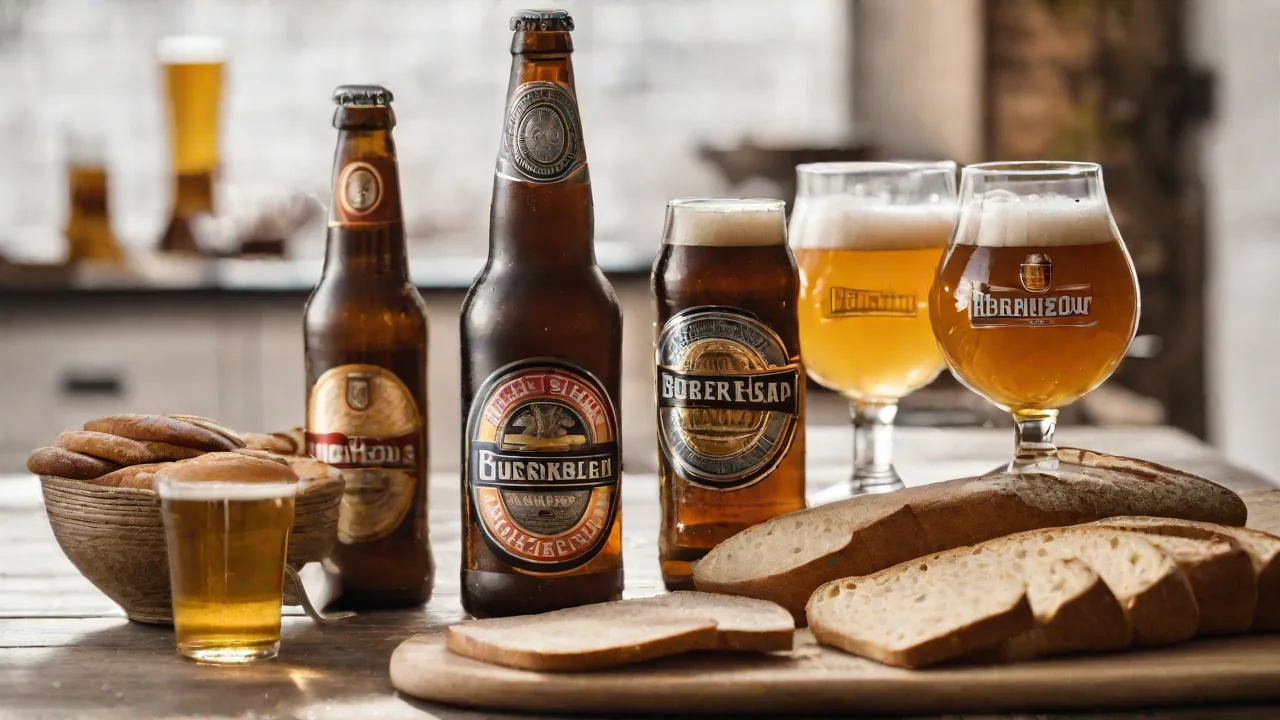
How to Match German Beer Styles with Regional German Breads
Introduction: The Sacred Union of Grain and Yeast
In Germany, the relationship between bread and beer is not merely a matter of convenience; it is a sacred union of agricultural history, craft dedication, and organic chemistry. Historically, both products were referred to as "liquid bread" and "solid beer," as they rely on the same fundamental ingredients: water, grain, and yeast. German baking culture—known as "Brotkultur"—is legendary, boasting over 3,000 registered regional bread variations and designated by UNESCO as Intangible Cultural Heritage. From the dense, slow-baked rye pumpernickel of Westphalia to the crispy lye pretzels (Laugenbrezeln) of Bavaria and the sour Roggenmischbrot of Thuringia, German bread is famous for its dense textures, sour fermentation, and caramelized crusts. Similarly, the German brewing tradition, with its strict purity laws, has produced a wide range of beer styles that focus on malt depth and clean fermentation. Matching the specific grains, yeast cultures, and baking temperatures of German breads with corresponding beer styles yields a level of culinary harmony that represents the very heart of the German dining experience. This guide explores the art of matching German beers with regional German breads, analyzing how different grain profiles, crust characteristics, and fermentation acids interact on the palate to elevate these two national symbols.
The chemistry of this pairing is rooted in the Maillard reaction. During baking, the oven's high heat causes the sugars and amino acids in the bread dough to react, producing the toasted, caramelized colors and aromas of the crust. This same chemical reaction occurs during the malting process, where barley and wheat are roasted at different temperatures to create Vienna, Munich, and Carafa malts. When a toasted, malt-forward beer is paired with a freshly baked loaf of bread, these identical roasted flavor molecules align, creating a sense of natural harmony. Additionally, the active carbonation in beer cuts through the dense starch and butter spreads, keeping the palate refreshed. Let's examine how regional breads pair with classic German beer styles to create the ultimate bread-and-beer feast.
Classic Rye Sourdough: Munich Dunkel and Kellerbier
The foundation of the German bread basket is "Roggenmischbrot" (Rye Sourdough). Prepared with a high proportion of rye flour mixed with wheat flour and fermented using a natural lactic acid sourdough starter, Roggenmischbrot features a dense, moist interior, a thick, deeply caramelized crust, and a distinct, sour flavor profile with earthy and slightly peppery notes. It is the standard bread used for "Abendbrot" (evening bread), typically spread with fresh butter and topped with mild cheeses or cured hams.
The primary challenge in pairing beer with rye sourdough is balancing the lactic acidity of the sourdough culture and the dense, sticky starch of the rye grain. The beer must offer a sweet malt profile to balance the sour notes, combined with moderate carbonation to clean the palate of butter fat. The perfect partners are Munich Dunkel or a rustic Kellerbier.
A Munich Dunkel, brewed predominantly with dark Munich malts, features a rich copper-to-brown color and prominent flavors of toasted bread crust, mild caramel, and toasted nuts. The toasted malt sugars of the Dunkel align perfectly with the caramelized crust of the Roggenmischbrot, while the beer's gentle sweetness balances the lactic acidity of the sourdough, creating a sweet-and-sour harmony on the tongue. Alternatively, an unfiltered Kellerbier offers a yeasty, soft mouthfeel. The active yeast suspension in the Kellerbier mirrors the wild yeast fermentation of the sourdough, while its soft malt profile and low carbonation let the peppery notes of the rye flour shine, resulting in a rustic, balanced pairing.
Westphalian Pumpernickel: Doppelbock and Schwarzbier
In the western region of Westphalia, "Pumpernickel" is a culinary legend. Unlike standard breads, true Westphalian pumpernickel is made from coarse rye meal and whole rye berries, slowly baked in closed ovens at low steam temperatures (around 120°C) for 16 to 24 hours. This long, gentle baking process causes the starch in the rye to caramelize completely, giving the bread its signature dark brown color and a sweet, molasses-like aroma with notes of dark chocolate and dried fruits. The texture is extremely dense, moist, and slightly crumbly.
This intense sweetness, density, and roasted character require a beer with equal weight, a dark malt profile, and a warming alcohol content that can cut through the dense rye meal. The ideal partners are a rich Bavarian Doppelbock or a dry German Schwarzbier.
Doppelbock is a strong, malt-forward lager with deep flavors of dark fruits, raisins, toasted pumpernickel bread, and molasses. When paired with Westphalian pumpernickel, the Doppelbock's intense caramel and dark-fruit malts align perfectly with the caramelized sugars of the long-baked rye, creating a luxurious, sweet-on-sweet dessert-like harmony. The bock's alcohol warmth cuts through the dense rye meal, clearing the tongue. For a drier, non-sweet alternative, a German Schwarzbier (black lager) offers a clean, roasted malt profile. The dry coffee and cocoa notes of the Schwarzbier bridge the dark pumpernickel sugars, while its crisp lager finish ensures a refreshing, dry contrast.
Bavarian Pretzel and Lye Breads: Munich Helles and German Pilsner
The Bavarian pretzel ("Laugenbrezel") is perhaps the most famous German bread, recognizable by its knotted shape, its glossy, dark brown lye-dipped crust, and its scattering of coarse salt crystals. The lye bath (sodium hydroxide) reacts with the dough during baking to create an alkaline, slightly bitter, and shiny crust, which contrasts with the soft, chewy, and sweet interior. Pretzels are eaten hot, often sliced horizontally and spread with fresh butter or Obatzda cheese spread.
Pairing beer with a pretzel requires managing the high salt concentration on the crust, the alkaline bitterness of the lye, and the chewy starch of the dough. The beer must offer a clean malt profile, high drinkability, and moderate carbonation. The absolute best match is a Munich Helles or a crisp German Pilsner.
A Munich Helles, with its low hop bitterness and clean, sweet malt backbone, provides a gentle cushion for the salty pretzel. The sweet malt profile of the Helles mirrors the sweet interior dough, while its soft carbonation cleanses the mouth of the heavy butter or cheese fats. The low noble hop profile prevents any harsh clashing with the alkaline lye crust. If a drier finish is preferred, a German Pilsner offers a hoppy alternative. The assertive noble hops provide a floral aroma and a crisp, clean bitterness that acts as a sharp knife, cutting through the chewy pretzel starch and balancing the heavy salt crystals, resulting in a refreshing finish.
Seeded and Whole Grain Breads: Märzen and Altbier
"Vollkornbrot" (Whole Grain Bread) is a staple of the German health-conscious diet, prepared with whole wheat and rye flours, packed with roasted sunflower seeds, pumpkin seeds, and flaxseeds. The bread is dense and nutty, with a rustic crust and a complex texture. When toasted, the seeds release rich oils and intense nutty aromas, creating a savory, earthy, and nutty flavor profile.
The nutty, oily seeds and the dense whole grains require a beer that offers a toasted malt profile to match the roasted seeds, combined with moderate noble hop bitterness to cut the seed oils. The ideal partners are a traditional German Märzen or a copper Altbier.
Märzen, brewed with toasted Munich and Vienna malts, features a copper color and prominent aromas of toasted bread and roasted nuts. When paired with seeded Vollkornbrot, the Märzen's caramelized malt notes create an immediate bridge to the roasted sunflower and pumpkin seeds. The beer's clean, bottom-fermented finish cuts the seed oils, while its moderate noble hop bitterness prevents the sweet malts from dominating, resulting in a balanced, nutty pairing. A copper Altbier offers a clean, top-fermented alternative, providing a dry, lagered finish that cleanses the palate after a bite of toasted seeded bread.
Traditional Butter and Fat Spreads in Bread Pairings
To understand why beer pairs so well with German breads, one must also analyze the traditional spreads used at the table. Bread is rarely eaten dry; it is almost always spread with fresh butter, lard seasoned with cracklings (Griebenschmalz), or creamy cheese spreads like Obatzda. Frying or baking grains concentrates their starches, while the spreads add a dense layer of animal fats that coats the taste buds. The active carbonation in German beers acts as a natural surfactant, scrubbing this fatty coating off the tongue. At the same time, the humulones (hop alpha acids) in a Pilsner or Altbier bind to the fat molecules in the butter, breaking their emulsion and cleansing the palate. A thick slice of rye sourdough spread with Griebenschmalz fat finds a perfect partner in a dry, highly hopped Pilsner, which cuts the grease and highlights the toasted rye, showing how the spread directly influences the success of the pairing.
The Role of Water Chemistry in Regional Baking and Brewing
Both regional bread baking and beer brewing are deeply influenced by local water chemistry. The mineral content of the local water determines the texture of the bread dough and the flavor profile of the beer. In Munich, the local water is rich in calcium carbonate, which softens the bitterness of hops and accentuates the sweet, bready notes of Munich malts. This soft, sweet water profile is what makes Munich Helles and Dunkel lagers so smooth and round, perfectly suited to match the sweet, yeasted dough of Bavarian pretzels. Conversely, the hard, mineral-rich water of northern Germany and Westphalia makes the local bread dough firmer and highlights the sharp, dry bitterness of a Pilsner. This mineral contrast is what gives the northern Pilsner its crisp, refreshing finish that slices through the dense, slow-baked pumpernickel. By respecting these regional water characteristics, we can appreciate the natural harmony between the local baker and the regional brewer.
The Science of the Maillard Reaction in Baking and Brewing
The success of beer and bread pairings is rooted in organic chemistry. Both beer malts and bread dough undergo heating, which drives the Maillard reaction. This chemical process generates pyrazines, furans, and pyrroles—compounds responsible for the aromas of cocoa, coffee, freshly baked bread, and roasted nuts. When a roasted beer is paired with a baked bread, these identical molecules align on the olfactory receptors, creating a sense of natural harmony.
Crucially, this Maillard harmony is not limited to dark or roasted styles. Even a light Munich Helles or a German Pilsner undergoes a mild Maillard reaction during the kilning of its pale malts, producing light, bready, and biscuit-like flavor notes. These delicate flavors bridge perfectly with the soft, sweet interior crumb of a Bavarian pretzel or wheat bread. The combination of these light malt notes with the active carbonation ensures that the beer supports the bread without dominating its subtle grain character, highlighting the versatility of these historic grain products.
The table below provides a quick-reference guide to matching specific regional breads with their ideal beer partners, outlining the key components and the physical mechanics of the pairing:
| Bread Type | Grain & Fermentation Profile | Ideal Beer Style | Primary Pairing Mechanic |
|---|---|---|---|
| Roggenmischbrot | Rye, wheat, lactic sourdough starter | Munich Dunkel / Kellerbier | Toasted malts match crust; sweetness balances sourdough acid. |
| Pumpernickel | Coarse rye meal, long-baked molasses | Doppelbock / Schwarzbier | Caramel malts mirror molasses sugars; alcohol cuts dense meal. |
| Laugenbrezel | Wheat dough, lye bath crust, coarse salt | Munich Helles / Pilsner | Sweet Helles malts temper salt; carbonation cleanses starch. |
| Vollkornbrot | Whole grains, roasted sunflower seeds | Märzen / Altbier | Vienna/Munich malts complement roasted, nutty seeds. |
| Dinkelbrot (Spelt) | Spelt grain, nutty, light honey notes | Bavarian Hefeweizen | Banana esters highlight light honey; wheat matches spelt flour. |
By using this structural framework, bakeries, cafes, and home hosts can create interactive bread and beer tastings, demonstrating how the grains of the baker and the malts of the brewer work in harmony. The key is to match the intensity of the bread crust and crumb with the corresponding beer profile, ensuring a balanced dining experience.
Conclusion: Raising a Glass to the Liquid and Solid Grain
The pairing of regional German breads with traditional beers is a celebration of the shared heritage of the bakery and the brewhouse. From the simple buttered pretzel with a glass of crisp Helles to the sweet, molasses-rich pumpernickel with a dark Doppelbock, this combination has brought comfort to German tables for generations. By choosing beer styles that address the specific grain, fermentation, salt, and seed profiles of the bread, we honor the culinary wisdom of the past while enjoying a meal that is balanced, refreshing, and deeply satisfying. Whether sitting in a rustic tavern or hosting a tasting at home, raising a glass of fresh beer alongside a slice of fresh, regional bread is the ultimate tribute to the grain. Prost!