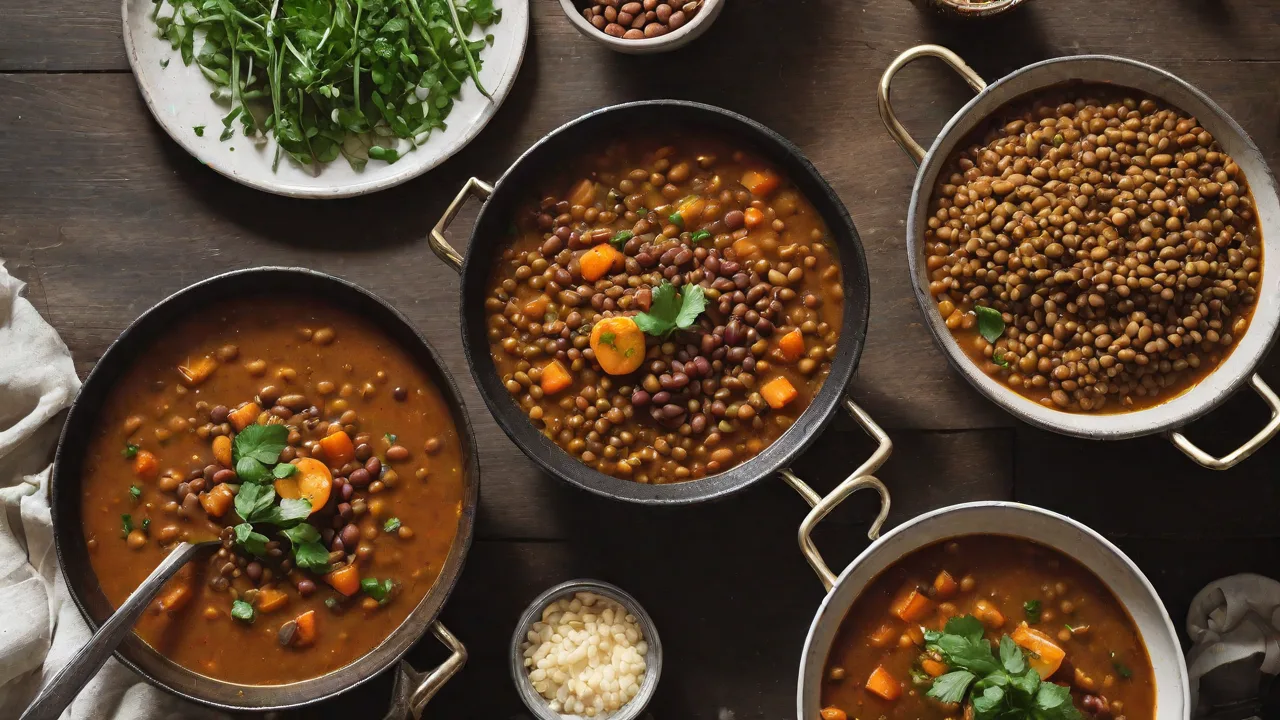
Matching German Beers with Traditional German Lentil and Bean Stews
Introduction: The Hearth-Side Comfort of Legumes and Lagers
In the culinary history of Germany, the "Eintopf" (one-pot stew) represents the ultimate symbol of home-style comfort and practical nourishment. Traditionally simmered in heavy iron pots over open hearths, these stews were designed to feed entire families during the bitter winter months. Among the most popular ingredients for these hearty stews are legumes, particularly brown lentils and white beans. Valued for their long storage life, high protein content, and agricultural versatility, lentils and beans became staples in regional cuisines from the southern valleys of Swabia to the cold northern coast of Hamburg. These legume stews, rich in starch, savory broth, and cured pork fats, possess a complex flavor profile that combines earthy sweetness with savory umami and, frequently, a touch of vinegar acidity. To balance such a dense and robust dish, the beverage choice must offer equal weight, carbonation, and structural support. In Germany, this companion has always been beer. The natural relationship between the local brewhouse and the rustic farm kitchen created a culture of pairing legume stews with regional beers, where the malt sugars, carbonation, and hop bitterness of traditional styles work in harmony with the rich, comforting textures of the pot. This guide explores the art of matching German beers with traditional German lentil and bean stews, examining the flavor chemistry and regional traditions that make these pairings so satisfying.
The geography of German legume stews is as diverse as the country's beer styles. In the south, Swabian kitchens prepare their lentils with a distinct splash of red wine vinegar and serve them over fresh egg noodles, while northern cooks simmer their white beans with sweet winter pears and salty bacon. Each of these variations changes the texture, acidity, and fat balance of the dish, requiring a different style of beer to achieve harmony. By analyzing the structural components of both the stew and the beer—such as how the roasted Munich malts in a Dunkel balance vinegar acidity, or how the sharp bitterness of a northern Pilsner cuts through pork belly fat—we can design menus that elevate these humble, rustic ingredients into a gourmet dining experience.
Classic Swabian Lentils with Spätzle: Munich Dunkel and Altbier
In the region of Swabia (located in southwestern Germany), "Linsen mit Spätzle" is a culinary icon. The dish is prepared by simmering brown plate lentils (Tellerlinsen) with root vegetables (carrots, celery root, leek), onions, bacon, and a rich beef broth. Importantly, the stew is seasoned with a generous splash of vinegar, which adds a bright, sour note that cuts through the earthy starch of the lentils. The dish is served over fresh, hand-scraped egg noodles (Spätzle) and topped with a pair of boiled Saitenwürste (local frankfurters). The flavor profile is complex: earthy, savory, salty, and distinctly acidic, with a rich, soft texture from the noodles and beans.
The primary challenge in pairing beer with Swabian lentils is managing the vinegar acidity. If paired with a highly hopped, dry lager like a Pilsner, the acidity of the vinegar and the bitterness of the hops will clash, creating a harsh metallic taste. The beer must offer a solid malt sweetness to round out the vinegar, combined with moderate carbonation to clean the palate of the sausage fat. The perfect partners are Munich Dunkel or a copper Altbier.
A Munich Dunkel, brewed with dark Munich malts that undergo decoction mashing, features a rich amber-to-dark-brown color and prominent flavors of toasted bread, mild caramel, and dark cocoa. The sweetness of the Dunkel's malt body acts as a direct counterweight to the vinegar acidity in the lentils, smoothing out the sour notes and revealing a sweet-and-sour harmony on the tongue. The toasted malt flavors mirror the browned onions and roasted bacon in the stew, while the clean lager finish ensures the palate is refreshed. Alternatively, a Düsseldorf-style Altbier offers a clean, top-fermented option. The firm noble hop bitterness of the Altbier cuts through the rich Saitenwürste fat, while its copper malt sweetness bridges the earthy lentils, resulting in a balanced, historic pairing that represents the best of German tavern dining.
Northern Comforts: Birnen, Bohnen und Speck and the Helles Bock
Moving to the northern regions of Lower Saxony, Bremen, and Schleswig-Holstein, the stew pot takes on a sweet-and-savory character with "Birnen, Bohnen und Speck" (Pears, Beans, and Bacon). This historic regional specialty is prepared in late summer when the local cooking pears (Kochbirnen) are harvested. These small, hard pears are simmered whole, skin and all, alongside green string beans, potatoes, and thick slabs of cured pork belly (Speck). The cooking process renders the bacon fat, which infuses the beans, while the pears release a delicate sweetness. The finished dish is a contrast of salty, smoky pork, sweet fruit, and fresh green vegetables.
This combination of sweet fruit, salty pork, and rich fat requires a beer with a substantial body, clean malt profile, and enough alcohol warmth to cut the heavy bacon fat without clashing with the sweet pears. The ideal partner is a traditional German Helles Bock or a Maibock.
Helles Bock is a strong, pale lager with a high alcohol content (typically 6.5% to 7.2% ABV) and a rich, sweet malt backbone. When paired with Birnen, Bohnen und Speck, the beer's clean, sweet malt sugars mirror the delicate sweetness of the cooked pears, preventing the fruit flavor from being lost. The warming alcohol of the Bock acts as a natural solvent, cutting through the thick layer of cured pork belly fat on the tongue and cleansing the palate. The low noble hop bitterness provides a clean, dry finish that keeps the sweet-and-savory interaction from tasting cloying. The light, golden color of the Bock also matches the summer-to-autumn transition of the dish, making it a beautiful visual and sensory companion to the northern harvest table.
Thuringian Potato-Lentil Stew with Marjoram: Kellerbier and Zwickelbier
In central Germany, particularly in Thuringia and Saxony, home kitchens prepare a thick, rustic potato and lentil stew (Kartoffel-Linseneintopf) that is heavily scented with dried marjoram. The stew is cooked until the potatoes partially dissolve, thickening the broth into a starchy glaze. Slices of boiled ham (Kasseler) or smoked pork shoulder are added to the pot, infusing the broth with a gentle wood smoke aroma. The flavor profile is rustic, earthy, herbal, and savory.
The thick, starchy texture of this stew can easily coat the taste buds, dulling the palate and making the meal feel heavy. To combat this, a beer needs gentle carbonation, a soft mouthfeel, and a rustic flavor profile that matches the herbal character of the marjoram. The perfect style is an unfiltered German Kellerbier or Zwickelbier.
Kellerbier is an unfiltered, unpasteurized lager that contains active yeast in suspension, giving it a cloudy appearance and a soft, full mouthfeel. The yeasty esters and bready malt flavors of the Kellerbier align perfectly with the starch-thickened potato broth of the stew, creating a seamless texture connection. The subtle sulfur notes and earthy hop character of the unfiltered lager highlight the dried marjoram and garlic rub on the ham, while the gentle carbonation refreshes the mouth without creating a sharp, gassy sensation. This pairing is a celebration of rustic craftsmanship, matching an unfiltered, historic beer style with a traditional, hand-crafted home stew.
White Bean Stew with Pork Belly: German Pilsner and Kölsch
Another winter classic across Germany is "Weisser Bohneneintopf" (White Bean Stew). Prepared with dried navy beans or cannellini beans, the stew is cooked with pork belly, carrots, potatoes, and heavily seasoned with fresh savory (Bohnenkraut) and thyme. Savory is a crucial herb in German bean cooking, valued not only for its peppery, herbal flavor but also for its digestive properties. The finished stew is thick, creamy from the starch of the white beans, and rich with pork oil and herbal aromatics.
The rich, oily pork belly fat and the creamy starch of the white beans require a beer with a sharp carbonation and a crisp, clean bitterness that can act as a knife, slicing through the heavy textures and leaving the palate clean. The absolute best style for this task is a classic German Pilsner or a crisp Kölsch.
A German Pilsner, particularly northern styles like those brewed in Friesland or Westphalia, features a dry body, high carbonation, and a sharp noble hop bitterness. When paired with white bean stew, the Pilsner's active effervescence acts as a palate cleanser, bubbling through the heavy bean starch and sweeping the pork oil from the tongue. The herbal, spicy aromas of the Hallertauer or Tettnanger noble hops complement the fresh savory and thyme in the stew, enhancing the herbaceous profile of the dish. The dry finish of the Pilsner ensures that the rich pork fat does not linger, preparing the diner for another comforting spoonful of the hot stew. If a softer, lighter pairing is preferred, a Cologne-style Kölsch offers a delicate, top-fermented alternative that provides a crisp finish while letting the fresh garden herbs take center stage.
Traditional Stew Accompaniments and Beer Pairings
To fully appreciate these pairings, one must also consider the traditional accompaniments that are served alongside these stews. In Germany, a hot bowl of Eintopf is almost always accompanied by a thick slice of dark rye bread (Graubrot or Schwarzbrot), often spread with rich butter or a layer of spicy German mustard (Senf). The sour, earthy crunch of sourdough rye bread introduces a lactic acid element that complements the bready Munich malts of a Dunkel or Kellerbier. If the bread is spread with sweet or spicy mustard, this adds a nasal spice heat that bridges the gap to the herbal, grassy noble hops of a German Pilsner. For split pea or lentil stews, a side of pickles (Gewürzgurken) is common, which adds a sharp, vinegary snap. This acidic contrast is beautifully softened by the rich, sweet malt profile of a Märzen or Helles Bock. Integrating these side elements into your pairing plan creates a complex, multi-dimensional taste profile where the bread, mustard, pickles, and stew all interact with the beer to create a unified tavern meal.
The Science of Legumes and Beer Chemistry
The success of pairing German beers with legume stews is rooted in the chemical and physical interactions that occur on the human tongue. Beans and lentils are rich in soluble fiber and proteins, which create a thick, starchy emulsion when cooked. This emulsion coats the oral cavity, creating a heavy mouthfeel and blocking the taste receptors from experiencing subtle flavors. To reset the palate, the beverage must physically disrupt this starchy film.
The table below provides a quick-reference guide to matching specific German legume stews with their ideal beer partners, highlighting the key sensory and chemical mechanics of the pairing:
| Stew Type | Key Ingredients & Herbs | Ideal Beer Style | Primary Pairing Mechanic |
|---|---|---|---|
| Swabian Lentils | Brown lentils, vinegar, Saitenwürste | Munich Dunkel / Altbier | Malt sweetness balances vinegar; carbonation cuts sausage fat. |
| Northern Pear & Bean | Kochbirnen, green beans, cured Speck | Helles Bock / Maibock | Alcohol warmth dissolves bacon fat; malt sweetness mirrors pears. |
| Potato-Lentil Stew | Plate lentils, potato, marjoram, Kasseler | Kellerbier / Zwickelbier | Yeast suspension matches starchy broth; soft hops highlight marjoram. |
| White Bean Stew | White beans, pork belly, savory, thyme | German Pilsner / Kölsch | Sharp hop bitterness cuts pork oil; herbal hops align with savory. |
| Split Pea Stew | Split peas, potatoes, Mettwurst sausage | Schwarzbier | Roasted malts mirror smoky sausage; dry body cleanses pea starch. |
By using this systematic approach, taverns and home cooks can design menus that highlight the best of both the farm field and the brewhouse. The carbonation in the beer acts as a physical scrubber, the hop bitterness provides structural contrast, and the malt sweetness balances the salt and vinegar acidity of the stews, ensuring a balanced dining experience.
Conclusion: Raising a Glass to the Eintopf Tradition
The pairing of traditional German legume stews with classic regional beers is a testament to the enduring wisdom of country kitchens. Each pairing is designed to solve a specific culinary challenge: Pilsner cuts pork fat, Dunkel balances vinegar, Kellerbier matches starch, and Bock tames sweet-and-savory contrasts. By understanding these interactions, we can appreciate the technical skill involved in both simmering the perfect pot of stews and brewing the perfect pint of lager. Whether sitting in a rustic Bavarian tavern or cooking at home on a cold winter night, raising a glass of fresh German beer alongside a hot bowl of lentil or bean Eintopf is the ultimate way to experience the comforting, heart-warming flavors of the German hearth. Prost!