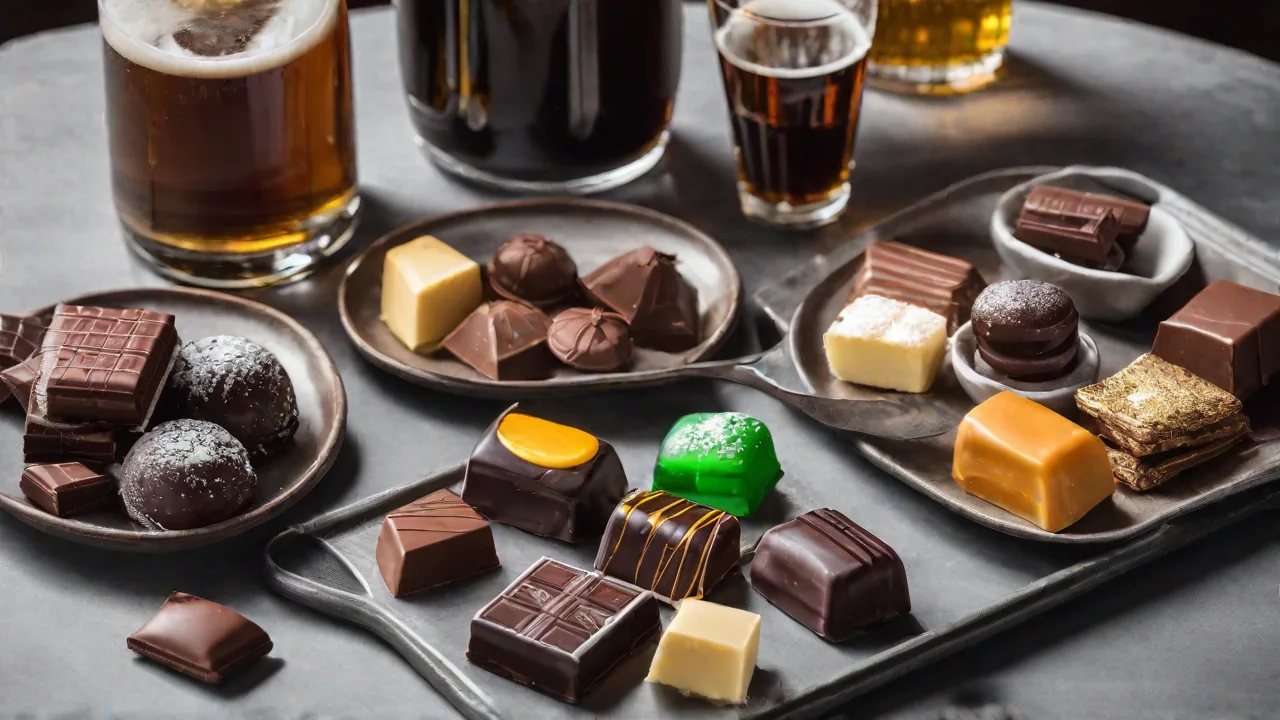
Pairing German Beers with Artisanal German Chocolates and Confections
Introduction: The Intersection of Craft and Cacao
Germany has long been celebrated for its brewing heritage, but it also boasts a rich history of chocolate making and confectionery. From the medieval spice traders of Nuremberg who developed Lebkuchen to the historic chocolate salons of Cologne and Munich, German confectioners have refined their craft over centuries. Traditionally, beer and chocolate were viewed as separate worlds, with wine or spirits favored as dessert accompaniments. However, modern gastronomy has revealed that beer, with its diverse flavor profiles, carbonation, and malt complexity, is an exceptional partner for chocolate. The roasting of barley during the malting process produces flavor compounds (pyrazines and melanoidins) that are chemically similar to those created during the roasting of cacao beans. This shared chemical foundation allows for pairings that are deeply complementary. This guide explores the art of pairing classic German beers with artisanal German chocolates and confections, examining how the carbonation, alcohol warmth, and malt structures of traditional brews interact with cocoa butter, sugar, and spices to create an elevated dessert experience.
The history of the German chocolate industry is marked by innovation and dedication. In the 19th century, cities like Cologne became major centers of chocolate production, with companies like Stollwerck developing advanced steam-powered machinery to grind cacao beans. This industrial growth was matched by a commitment to quality, as German chocolate makers adhered to strict standards that mirrored the brewing purity laws. The alignment of these two highly disciplined crafts created a natural path for pairing. When we taste a dark, roasted Schwarzbier alongside a piece of high-quality dark chocolate, we are tasting the results of two different fermentation and roasting processes that share a common molecular lineage. By understanding the chemistry behind these pairings, we can create sophisticated tasting menus that challenge traditional dessert pairings and offer a sweet finish to any meal.
Creamy Harmony: Milk Chocolate, Cream Pralines, and the Doppelbock
Milk chocolate, characterized by a lower cocoa percentage (typically 30% to 45%) and a high concentration of milk solids and cocoa butter, is loved for its creamy, sweet, and melting texture. In Germany, artisanal confectioners often fill milk chocolate shells with hazelnut nougat, butter ganache, or sweet cream pralines. The primary challenge in pairing milk chocolate is managing the high sugar and fat content, which can coat the tongue and cloy the palate if not properly balanced.
To pair with milk chocolate, a beer must have sufficient sweetness to match the sugar level, combined with alcohol warmth and carbonation to cut through the rich cocoa butter. The classic partner for this style of chocolate is a Bavarian Doppelbock or a Munich Dunkel.
A dark Doppelbock (such as a Salvator or Celebrator) features a rich body, low bitterness, and intense malt flavors of dark caramel, raisins, figs, and toasted bread. When tasted alongside a hazelnut nougat milk chocolate praline, the beer's dark-fruit and caramel notes blend seamlessly with the sweet milk fats, creating a flavor experience reminiscent of chocolate-covered cherries. The alcohol warmth of the Doppelbock (typically 7% to 9% ABV) acts as a solvent, gently dissolving the cocoa butter on the tongue and preventing a greasy buildup. The low bitterness of the beer ensures that it does not clash with the sweet character of the chocolate, resulting in a smooth finish. The carbonation, though soft, plays a critical role in scrubbing the milk solids off the taste buds, ensuring that each bite of the praline feels as fresh and decadent as the first.
Dark Depth: Intense Cacao, Schwarzbier, and the Warming Eisbock
Dark chocolate, containing 70% to 90% cocoa solids, is a complex ingredient with a flavor profile that ranges from earthy and woody to fruity and acidic. Artisanal dark chocolates have a dry, melting texture and a firm, pleasant bitterness. Traditional German chocolate makers often source single-origin cacao from South America or Africa, highlighting the bean's natural acidity and intense roasted qualities.
Pairing dark chocolate requires a beer that can match the intensity of the roasted cacao without adding cloying sweetness. The goal is to align the roasted characteristics of both ingredients. Excellent partners for dark chocolate include German Schwarzbier (black lager) and Eisbock.
A Schwarzbier is a dry, dark lager that utilizes roasted malts to achieve a deep black color while maintaining a clean, light body. The roasted barley in Schwarzbier provides flavors of dark coffee, bitter cocoa, and dry toast, echoing the flavors of the dark chocolate. Because Schwarzbier is fermented as a clean lager, it lacks heavy sweetness, allowing the natural bitterness of the cacao to shine while providing a crisp, refreshing carbonation that cleanses the palate after each bite. This clean fermentation also lets the chocolate's natural origin-derived fruit acidity stand out, creating a complex interplay of fruit, roast, and hops. For a more intense dark chocolate (above 85%), a traditional Eisbock offers a concentrated, warming alternative. Eisbock is created by freezing a strong bock beer and removing the ice crystals, concentrating the alcohol and sugars. The resulting beer is thick, sweet, and complex, providing a luxurious contrast to the dry bitterness of high-cacao chocolate.
The Almond Kingdom: Lübeck Marzipan and the Fruity Hefeweizen
Marzipan is a cornerstone of German confectionery, with the city of Lübeck in northern Germany designated by the European Union as a protected geographical indication for its premium marzipan. True Lübeck marzipan is made by grinding high-quality Mediterranean almonds with sugar and roasting the paste in copper kettles. According to the strict Lübeck purity standards, the mixture must contain at least 70% almond paste and no more than 30% added sugar. The flavor is intensely nutty, sweet, and floral, with a rich, paste-like texture that lingers on the palate. It is often coated in a thin shell of dark chocolate to balance the sweetness of the almond paste.
The intense almond flavor and dense texture of marzipan require a beer that offers bright contrast, fruitiness, and high carbonation. The ideal pairing for marzipan is a classic Bavarian Hefeweizen or a Weizenbock.
Hefeweizen is brewed with a large proportion of wheat and fermented with yeast that produces prominent banana and clove flavors. When paired with marzipan, the banana esters of the wheat beer complement the sweet almond paste, creating a flavor combination reminiscent of banana-nut bread. The clove-like phenols in the beer provide a spicy contrast that cuts through the dense sugars of the paste, while the high carbonation lifts the sticky texture from the teeth and gums. The high almond content of the Lübeck marzipan is highlighted by the stone fruit and banana flavors of a Weizenbock (dark wheat bock), which provides a richer malt backbone of dark fruits and toasted wheat that bridges both the sweet almond interior and the bitter chocolate shell.
Spiced Traditions: Nuremberg Lebkuchen and the Smoked Rauchbier
Nuremberg Lebkuchen (gingerbread) is a winter holiday tradition dating back to medieval monks. The highest-quality variety, Elisenlebkuchen, must contain at least 25% nuts (almonds, hazelnuts, walnuts) and less than 10% flour. They are spiced with cinnamon, cloves, nutmeg, allspice, ginger, and cardamom, and baked on thin wafers (Oblaten). Lebkuchen are often glazed with sugar or dipped in dark chocolate, resulting in a soft, cake-like confection that is sweet, nutty, and highly aromatic.
The complex spice blend of Lebkuchen demands a beer that can match its aromatic intensity while complementing the nutty, baked-dough texture. The ultimate, avant-garde pairing for spiced Lebkuchen is a Bamberg-style Rauchbier (smoked beer) or a rich Winterbock.
Rauchbier is brewed using malt that has been dried over open beechwood fires, infusing the beer with an aroma of wood smoke, bacon, and campfires. While this may sound like a savory companion, when paired with spiced Lebkuchen, a magical interaction occurs. The sweet spices (cinnamon and clove) in the gingerbread cut through the intense smoke of the Rauchbier, softening the beer's campfire notes and revealing a sweet, bready malt core. The smoke phenols of the beer wrap around the toasted nuts in the cookie, creating a savory-sweet harmony that recalls traditional winter hearths and wood fires. The carbonation of the Rauchbier cuts through the sugar glaze of the gingerbread, ensuring the palate is refreshed. For those who prefer a non-smoked pairing, a traditional Winterbock offers a sweet, malty alternative that enhances the baking spices through its own caramel and clove-like yeast character.
Tart Contrast: Fruit-Filled Chocolates and the Acidic Gose
Artisanal German chocolatiers often create chocolates filled with liquid fruit reductions, jams, or brandy-infused fruit ganaches, such as raspberry truffles, sour cherry cordials, or sea buckthorn pralines. These confections combine the rich sweetness of chocolate with the bright, sharp acidity and fruit flavors of the filling.
To pair with fruit-filled chocolates, a beer must match the fruit intensity and provide enough acidity to cut through the sweetness of the chocolate. The ideal style for this pairing is a Leipzig-style Gose or a Berliner Weisse.
Gose is a historic, top-fermented beer brewed with coriander and salt, fermented with a combination of brewer's yeast and lactic acid bacteria. The resulting beer is tart, salty, and refreshing. When paired with a dark chocolate raspberry truffle, the Gose's lactic acidity cuts through the sweet chocolate and amplifies the fresh raspberry flavor. The subtle addition of sea salt in the Gose highlights the cocoa flavors of the dark chocolate, much like sea salt sprinkled on a chocolate tart. The clean, dry finish of the sour ale cleanses the palate, leaving a lingering note of fresh fruit and cocoa, showing how sour and salty beer styles can elevate the rich, fatty textures of artisanal chocolate confections.
The Science of Chocolate and Beer Interactions
The success of beer and chocolate pairings is rooted in organic chemistry. Both beer malts and cacao beans undergo roasting, which drives the Maillard reaction. This chemical process generates pyrazines, furans, and pyrroles—compounds responsible for the aromas of cocoa, coffee, freshly baked bread, and roasted nuts. When a roasted beer is paired with a roasted chocolate, these identical molecules align on the olfactory receptors, creating a sense of natural harmony.
The table below provides a systematic guide to pairing specific German confections with their ideal beer styles, outlining the primary sensory and chemical mechanics of the pairing:
| Confection Type | Artisanal Partner | Ideal Beer Style | Primary Chemical/Sensory Interaction |
|---|---|---|---|
| Milk Chocolate | Hazelnut Nougat Pralines | Doppelbock | Alcohol dissolves cocoa butter; caramel malts mirror nougat. |
| Dark Chocolate (70%+) | Single-Origin Cacao Bars | Schwarzbier | Roasted barley pyrazines align with roasted cacao compounds. |
| Lübeck Marzipan | Almond paste in chocolate | Hefeweizen / Weizenbock | Banana esters complement almond; clove phenols cut sweetness. |
| Nuremberg Lebkuchen | Spiced Gingerbread cookies | Rauchbier (Smoked) | Baking spices soften smoke phenols, revealing sweet malt. |
| Fruit Ganache | Raspberry or Cherry Truffles | Leipzig Gose | Lactic acidity cuts sugar; sea salt highlights cocoa notes. |
| Caramel Truffles | Salted Caramel in milk chocolate | Munich Dunkel | Vienna/Munich malts complement caramelized sugar flavors. |
To execute these pairings effectively, cooks should employ the "sip-bite-sip" method. First, take a sip of the beer to prepare the palate. Then, place a small piece of chocolate on the tongue, letting it melt slowly. As the chocolate coats the mouth, take a second sip of the beer. Observe how the carbonation lifts the fats, how the alcohol warms the throat, and how new flavor notes emerge from the combination. This structured tasting methodology helps to unlock the subtle complexities of both the artisanal confection and the craft beer, creating a memorable dining experience.
Conclusion: The Sweet Finish of the German Table
Pairing German beers with artisanal chocolates and confections offers a sensory experience that challenges traditional dessert conventions. By utilizing the complex malt bills, yeast esters, and active carbonation of traditional brewing styles, we can elevate chocolates, marzipan, and gingerbread in ways that wine cannot achieve. The shared chemical history of roasting connects these two crafts, proving that the chocolate shop and the brewhouse are natural culinary partners. Whether enjoying a dark Doppelbock with rich hazelnut nougat or a tart Gose with raspberry truffles, these pairings provide a sweet, satisfying finish to any traditional German meal, demonstrating that craft beer is a versatile and sophisticated beverage at every stage of the dining experience.