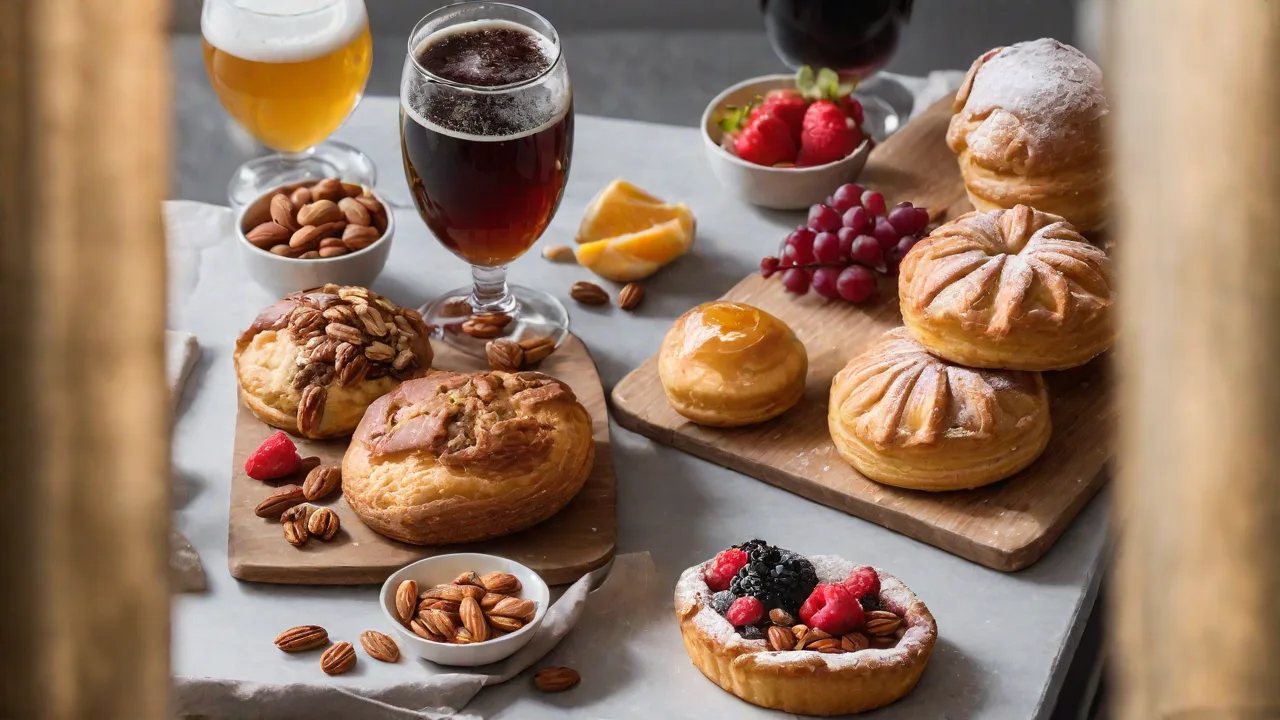
Pairing German Beers with Regional German Fruit and Nut Pastries
Introduction: Converting Kaffee und Kuchen into a Craft Beer Celebration
In Germany, the "Kaffee und Kuchen" (coffee and cake) ritual is a deeply cherished social tradition. On weekend afternoons, families and friends gather at home or in local cafes to enjoy fresh, regional pastries alongside hot coffee. From the fruit-laden yeasted sheet cakes of Saxony to the rich, cream-layered cherry tortes of the Black Forest and the spiced almond confections of Nuremberg, the German baking tradition is famous for its focus on seasonal fruits, toasted nuts, and rich butter crumbles. Traditionally, these sweet delicacies were paired exclusively with coffee or dessert wines. However, modern gastronomy has revealed that German craft beers are exceptional partners for regional pastries. The roasting of barley during the malting process generates complex caramel and bready flavors that mirror the baked crusts and toasted nuts of the pastries, while the natural carbonation and alcohol warmth of traditional brews slice through rich butter creams and sugar glumbles. This guide explores the sophisticated art of pairing classic German beers with regional fruit and nut pastries, analyzing the flavor chemistry and regional histories that make these dessert pairings so successful.
The success of beer and pastry pairing lies in the shared molecular lineage of baking and brewing. Both crafts rely on the fermentation of grains and the caramelization of sugars. When a pastry chef bakes a plum cake, the yeasted dough undergoes a fermentation process similar to that of a brewer's wort, while the oven's heat drives the Maillard reaction in the crust, creating toasted flavor compounds that match the Munich and Vienna malts used in dark lagers. By understanding how these chemical compounds interact on the palate, we can design dessert courses that highlight the best of both the bakery and the brewhouse. Let's examine how specific regional pastries pair with classic German beer styles to create a sweet finish to any meal.
The Alpine Classic: Apfelstrudel with Raisins and Weizenbock
The Apfelstrudel (Apple Strudel) is an Alpine classic loved across southern Germany and Austria. The dish consists of a paper-thin, delicate pastry dough wrapped around a filling of tart sliced apples (such as Boskoop or Elstar), sugar, cinnamon, raisins, and toasted breadcrumbs fried in butter. The strudel is baked until golden-brown and served warm, often topped with a generous ladle of warm vanilla sauce or a scoop of whipped cream. The flavor profile is dominated by the tart acidity of the apples, the warming spice of the cinnamon, and the rich sweetness of the vanilla sauce.
To pair with a warm Apfelstrudel, a beer needs to match the sweetness of the vanilla sauce, complement the baking spices, and provide enough carbonation to lift the rich pastry. The perfect partner is a dark Bavarian Weizenbock.
Weizenbock is a strong wheat ale that combines the banana and clove yeast phenols of a Hefeweizen with the rich caramel malt profile of a bock beer. When tasted alongside warm Apfelstrudel, the Weizenbock's stone-fruit esters (ripe plum, apricot, and dark raisin) align perfectly with the baked raisins and apples in the strudel, creating a rich fruit-to-fruit bridge. The yeast-driven clove phenols echo the cinnamon spice of the filling, while the beer's sweet, caramelized wheat malts blend harmoniously with the warm vanilla sauce. The high carbonation of the wheat beer cuts through the buttery pastry layers, cleansing the tongue and ensuring that each bite of the rich dessert feels light and flavorful.
The Forest Queen: Schwarzwälder Kirschtorte and the Doppelbock
The Schwarzwälder Kirschtorte (Black Forest Cake) is Germany's most famous cake, representing the rich agricultural bounty of the southwestern Black Forest region. The cake consists of layers of dark chocolate sponge cake brushed with Kirschwasser (a clear cherry brandy distilled from local sour cherries), sandwiched with whipped cream and tart sour cherries (Schattenmorellen). The cake is decorated with chocolate shavings and additional cherries. The flavor profile is a balance of bitter cocoa, rich dairy cream, warming cherry alcohol, and tart fruit acidity.
This abundance of rich chocolate, heavy cream, and fruit acidity requires a beer with equal weight, a dark malt profile, and a warming alcohol content that can cut through the dairy fats. The ultimate pairing is a rich Bavarian Doppelbock or a concentrated Eisbock.
A dark Doppelbock (such as a Salvator or Celebrator) features a deep ruby-brown color, a full body, and rich malty flavors of dark cocoa, pumpernickel bread, and raisins. The roasted chocolate malts in the Doppelbock provide a direct bridge to the chocolate sponge cake, while the beer's natural dark-fruit esters (cherry, plum, fig) mirror the sour cherries in the cake. The high alcohol content of the Doppelbock (typically 7.5% to 9.0% ABV) acts as a solvent, cutting through the heavy whipped cream and clearing the tongue. The low bitterness of the beer ensures it does not clash with the sweet cake layers, resulting in a chocolate-rich, warming finish that mimics the Kirschwasser brandy, making the entire dessert feel balanced and luxurious.
Late-Summer Harvest: Pflaumenkuchen and the Munich Dunkel
In late summer, bakeries across Germany feature Pflaumenkuchen (also known as Zwetschgendatschi in Bavaria), a simple yet delicious plum cake. The cake is prepared by rolling out a sweet yeast dough on a baking sheet, covering it with tightly packed rows of fresh, tart purple plums (Zwetschgen), and baking it. In some regions, the plums are topped with a buttery sugar crumble (Streusel). During baking, the plums release their juice, creating a tart, sweet, and jam-like topping over a bready, yeasted crust. The cake is eaten warm or cold, often with a dollop of fresh whipped cream.
The bready yeasted crust and the tart fruitiness of the plums require a beer that offers a similar bready malt profile with moderate sweetness to balance the tart plums. The ideal partner is a Munich Dunkel or a traditional Franconian Kellerbier.
Munich Dunkel is a dark lager brewed predominantly with dark Munich and Vienna malts. It features a toasted malt profile with notes of bread crust, mild caramel, and toasted nuts. The bready malt sugars of the Dunkel create an immediate bridge to the yeasted cake base of the Pflaumenkuchen, while the beer's gentle sweetness balances the sharp tartness of the baked plums. The clean, bottom-fermented finish of the lager ensures the palate is refreshed, cutting through any added whipped cream without overwhelming the delicate fruit flavors. This pairing highlights the natural flavors of the summer harvest, showing how a clean, malt-forward lager can elevate simple, rustic fruit cakes.
Saxon Comfort: Streuselkuchen and the Bavarian Hefeweizen
The Streuselkuchen (Crumb Cake) is a staple of Saxon and Silesian baking history. The cake consists of a soft, sweet yeast dough base topped with a thick layer of Streusel—a crumble made from equal parts butter, sugar, and flour. The cake is baked until the crumbles are crispy and golden-brown. Variations include adding a layer of sweet vanilla custard or baked apples beneath the crumble. The flavor profile is simple, sweet, and comforting, dominated by the rich, buttery flavor of the crumble and the vanilla aromas of the dough.
The heavy weight of the butter crumble and the sweet vanilla custard can easily coat the mouth, making the cake feel heavy. To balance this, a beer needs high carbonation to lift the fats, combined with sweet, complementary fruit esters. The perfect match is a classic Bavarian Hefeweizen.
Hefeweizen is a top-fermented wheat beer known for its high carbonation and prominent yeast esters of banana and clove. The active effervescence of the Hefeweizen acts as a palate cleanser, bubbling through the rich butter crumble and custard, while its wheat protein provides a soft mouthfeel that matches the cake. The banana esters of the yeast highlight the vanilla notes of the custard, while the spicy clove phenols provide a pleasant contrast that cuts the sugar, turning a simple crumb cake into a light, refreshing afternoon treat.
The Role of Hops in Dessert Pairings
While malt sweetness and alcohol warmth are the primary components used to pair beer with desserts, hop bitterness and aroma also play a valuable role. In traditional German brewing, noble hops like Hallertauer Mittelfrüh, Tettnanger, and Spalter Select are prized for their floral, spicy, and herbal aromatics rather than intense bitterness. When pairing a hop-forward copper ale like Altbier or a Märzen with a Linzer Torte, the floral and herbal hop notes complement the sweet redcurrant jam and toasted hazelnuts. The low-to-moderate hop bitterness cuts through the heavy butter fat of the pastry crust, leaving a clean finish. However, brewers must be careful: excessive hop bitterness can clash with sweet sugars, creating a harsh, unpleasantly metallic sensation. The key is balance. By choosing beers that focus on noble hop aromatics rather than aggressive alpha acid bitterness, we can highlight the delicate fruit and nut flavors of the pastries while keeping the palate refreshed and ready for the next sweet bite.
Serving Pastries with Beer in a Cafe Setting
Integrating craft beer into the traditional German cafe setting offers an exciting opportunity to modernize the "Kaffee und Kuchen" ritual. While coffee will always remain a staple, offering a curated menu of local beer pairings alongside seasonal pastries attracts a younger, food-focused demographic. Cafes can serve smaller, tasting-sized pours (0.15L or 0.2L) of regional beers alongside their cake selections, allowing guests to experiment with different pairings without consuming too much alcohol. In the autumn, a local plum cake can be served with a small glass of fresh Munich Dunkel, while a winter gingerbread cookie finds its partner in a warming Winterbock. Providing descriptive tasting cards that explain the flavor connections between the roasted malts, yeast esters, and baking spices educates the consumer and elevates the dining experience. This fusion of the traditional bakery and the local craft brewery celebrates regional craftsmanship, keeping historic German culinary practices alive and relevant in the modern dining scene.
The Science of Pastry and Beer Pairing
The success of pairing German craft beers with regional fruit and nut pastries is rooted in flavor chemistry. The roasting of malts during the brewing process and the baking of dough in the oven both rely on the Maillard reaction. This chemical process creates complex molecules like furans, pyrazines, and pyrroles, which are responsible for the aromas of roasted nuts, toasted bread, cocoa, and caramel. When a malt-forward beer is tasted alongside a fresh pastry, these identical flavor molecules align, creating a sense of natural harmony.
The table below provides a quick-reference guide to matching specific German pastries with their ideal beer partners, outlining the key sensory and chemical interactions of the pairing:
| Pastry Type | Key Fruit & Nut Profiles | Ideal Beer Style | Primary Chemical/Sensory Interaction |
|---|---|---|---|
| Apfelstrudel | Tart apples, cinnamon, raisins, vanilla | Weizenbock (Dark) | Clove phenols match cinnamon; fruit esters mirror raisins. |
| Black Forest Cake | Sour cherries, chocolate sponge, cream | Doppelbock / Eisbock | Dark malts match cocoa; alcohol warmth cuts whipped cream. |
| Plum Cake (Pflaumenkuchen) | Tart purple plums, sweet yeast dough | Munich Dunkel | Toasted Munich malts mirror yeasted dough; balances tart fruit. |
| Crumb Cake (Streuselkuchen) | Butter crumble, sugar, vanilla custard | Bavarian Hefeweizen | High carbonation cuts butter fat; banana esters match vanilla. |
| Linzer Torte | Toasted hazelnuts, redcurrant jam | Altbier / Märzen | Copper malts complement hazelnuts; hops balance tart jam. |
By using this structural framework, bakeries, cafes, and home hosts can create interactive "Kaffee und Kuchen" alternatives, introducing guests to the complex world of beer and dessert pairings. The key is to match the intensity of the pastry with the malt weight, carbonation, and yeast esters of the beer, ensuring a sweet, balanced finish.
Conclusion: Raising a Glass to the Sweet Table
The pairing of German fruit and nut pastries with traditional regional beers offers a sensory experience that challenges the conventions of the dessert table. By utilizing the complex malt structures, yeast esters, and active carbonation of traditional brewing styles, we can elevate apple strudels, cherry tortes, and plum cakes in ways that coffee or wine cannot achieve. The shared chemical history of fermentation and roasting connects these two crafts, proving that the bakery and the brewhouse are natural culinary partners. Whether enjoying a dark Doppelbock with a rich Black Forest cake or a refreshing Hefeweizen with a golden crumb cake, these pairings provide a sweet, satisfying finish to any traditional German meal, raising a glass to the timeless harmony of the baker's and the brewer's crafts. Prost!