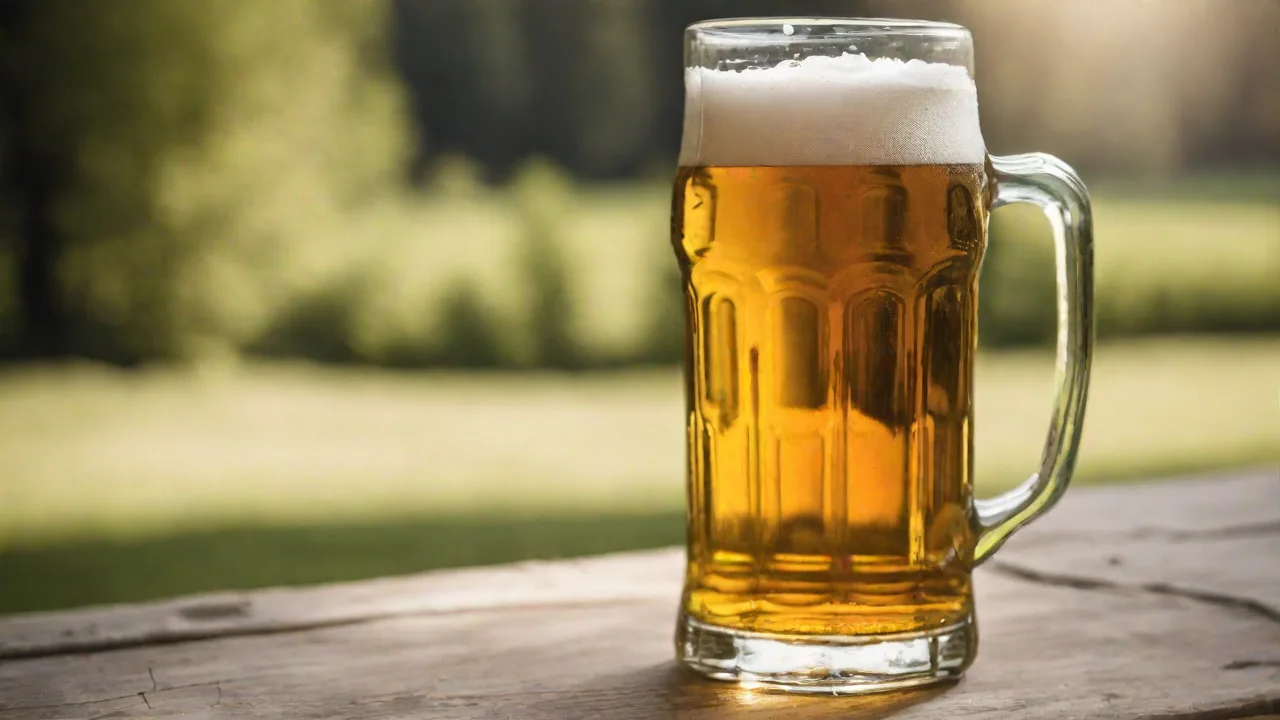
The Role of German Beer in Enhancing Traditional German Charcuterie Boards
Introduction: The Abendbrot and Brotzeit Rituals of the German Table
In Germany, the consumption of cold cuts, cheeses, and spreads is not merely a quick snack; it is a deeply rooted cultural institution. Known as "Brotzeit" (bread time) in Bavaria and "Abendbrot" (evening bread) in the western and northern regions, this meal represents a moment of relaxation, community, and appreciation for cured meats and cheeses. A traditional German charcuterie board is a rich collection of flavors, textures, and preservation styles. It features dry-cured, beechwood-smoked hams (Schwarzwälder Schinken), air-dried and smoked sausages (Landjäger, Mettwurst), creamy liver spreads (Leberwurst), sharp Alpine cheeses (Allgäuer Bergkäse), and fresh condiments like raw radishes, pickles, and spicy mustard. These ingredients are served alongside dense, sliced rye sourdough bread (Graubrot). Because this meal is dominated by high salt, rich animal fats, lactic acidity, and wood smoke, the beverage pairing must be carefully chosen. While wine is often favored on international charcuterie boards, the rich history of German brewing has created beer styles that are naturally suited to complement, cut, and enhance these specific cured proteins. This guide explores the role of German beer in enhancing traditional German charcuterie boards, analyzing how malt structures, noble hops, carbonation, and alcohol levels interact with cured meats, sharp cheeses, and pungent condiments to create the ultimate bread-board feast.
The chemistry of charcuterie makes it a natural partner for beer. Curing meats with salt and smoke concentrates their flavors and fats, which coat the palate and dull the taste buds. German beers, with their high carbonation and balanced bitterness, act as a natural palate cleanser, scrubbing the fats off the tongue and preparing it for the next bite. Additionally, the roasted malts used in brewing Dunkels and Schwarzbiers share flavor molecules with smoked and cured meats, creating a harmonious flavor bridge. By understanding the science behind how a crisp Pilsner cuts through fatty liver sausage, or how a smoky Rauchbier pairs with Black Forest ham, we can design charcuterie boards that elevate these historic, hand-crafted products into a gourmet tasting experience.
Black Forest Ham and Cured Meats: Rauchbier and Märzen
The centerpiece of any German charcuterie board is often a selection of cured hams, with "Schwarzwälder Schinken" (Black Forest Ham) being the most famous. This dry-cured pork ham is seasoned with garlic, coriander, black pepper, and juniper berries, cured for several weeks, and then cold-smoked over local fir wood and beechwood. The finished ham is sliced paper-thin, featuring a dark ruby-red color, a firm texture, and a complex aroma of wood smoke, salt, and juniper. The flavor is intense, dry, and smoky.
Pairing a beverage with cold-smoked ham requires managing both the high salt content and the intense wood smoke flavor. The beer must offer enough malt structure to balance the salt, combined with complementary smoke notes. The ultimate, traditional match is a Bamberg-style Rauchbier or a rich Märzen.
A Rauchbier, brewed using malt that has been dried over open beechwood fires, features a prominent aroma of campfire and wood smoke. When paired with Black Forest Ham, a pleasant interaction occurs: the smoke notes of the beer and the ham align, creating a unified smoky base that lets the sweet pork fat and juniper spices shine. The carbonation of the Rauchbier cuts the rich fat, while its clean lager finish prevents the salt from cloying. For a less smoky option, a traditional German Märzen offers a rich, amber malt profile. The toasted, bready Vienna and Munich malts in the Märzen provide a sweet malt cushion that tempers the saltiness of the ham, while its moderate noble hop bitterness ensures a clean, refreshing finish.
Fatty Sausages and Spreads: German Pilsner and Altbier
Traditional German boards feature a variety of rich sausages and spreads, including "Landjäger" (a semi-dry, smoked sausage pressed into a flat shape, seasoned with garlic and red wine), "Mettwurst" (a soft, spreadable raw pork sausage seasoned with pepper), and "Leberwurst" (a rich, smooth liver spread seasoned with marjoram and onions). These sausages contain high percentages of animal fats, which coat the tongue, creating a heavy mouthfeel and blocking the taste buds.
To balance these fatty sausages, a beer needs sharp carbonation and an assertive hop bitterness that can act as a knife, slicing through the heavy grease and leaving the palate clean. The perfect styles are a dry German Pilsner or a copper Altbier.
A German Pilsner features a dry body, high carbonation, and a sharp noble hop bitterness derived from Hallertauer or Tettnanger hops. When paired with Leberwurst or Mettwurst, the Pilsner's active effervescence scrubs the fatty coating off the tongue, while its hop bitterness cuts through the rich pork oil. The herbal, spicy hop aromas complement the marjoram and garlic spices in the sausage, highlighting their complexity. A Düsseldorf-style Altbier offers a clean, top-fermented alternative. Its copper malt sweetness bridges the smoked notes of the Landjäger, while its firm noble hop bitterness and dry, lagered finish keep the palate clean and refreshed, making it an exceptional companion for rich pork charcuterie.
Alpine and Soft Cheeses: Munich Helles and Helles Bock
No Brotzeit board is complete without cheese, most commonly "Allgäuer Bergkäse" (a hard, raw-milk Alpine cheese aged for several months, featuring a sharp, nutty, and slightly sweet flavor) and "Obatzda" (a classic Bavarian cheese spread made by mixing soft Camembert with butter, beer, paprika, onions, and cumin). The flavor profile of these cheeses ranges from buttery and creamy to sharp, earthy, and pungent.
The creamy fat of Camembert and the nutty sharpness of Bergkäse require a beer with a clean malt profile, moderate carbonation, and enough alcohol warmth to dissolve the dairy fats without clashing with the cheese cultures. The ideal matches are Munich Helles or Helles Bock.
A Munich Helles, with its pale gold color and clean, sweet malt backbone, provides a gentle cushion for the sharp Allgäuer Bergkäse. The sweet malt profile of the Helles mirrors the nuttiness of the cheese, while its moderate carbonation lifts the heavy dairy fats from the tongue. When enjoying Obatzda, a Helles Bock or Maibock offers a stronger, warmer alternative. The bock's alcohol warmth (typically 6.5% to 7.2% ABV) cuts through the rich butter and Camembert fats, while its sweet malt sugars balance the sweet paprika and cumin, resulting in a balanced, comforting interaction that highlights the creamy depths of the cheese spread.
The Acidic and Spicy Accents: Kellerbier and Kölsch
To cut the rich fats, German boards include sharp, acidic, and spicy condiments, such as raw, spiral-cut radishes (Radi), pickled cucumbers (Gewürzgurken), and spicy Dusseldorf mustard (Senf). These elements add a bright crunch and a nasal heat that can clash with heavy or highly hopped beers.
To pair with these sharp condiments, a beer needs a soft mouthfeel and a gentle, yeasty profile that can cushion the acids and spices. The perfect style is an unfiltered German Kellerbier or a delicate Kölsch.
Kellerbier is an unfiltered lager that contains active yeast in suspension, giving it a soft, full mouthfeel and bready malt flavors. The yeasty body of the Kellerbier acts as a cushion, softening the sharp vinegar tang of the pickles and the spicy heat of the raw radishes. Its gentle carbonation refreshes the mouth without creating a sharp, gassy reaction with the spicy mustard. A Cologne-style Kölsch offers a light, delicate alternative, providing a crisp, dry finish that cleanses the palate after a bite of radish while letting the fresh herbal notes of the condiments shine.
The Role of Glassware and Temperature in Brotzeit Pairings
To enjoy a Brotzeit board to its fullest, serving temperature and glassware must be managed. A crisp German Pilsner should be served cold, at 4°C to 6°C (39°F to 43°F), in a tall, tapered Pilsner glass. This cold temperature keeps the carbonation sharp and aggressive, which is necessary to cut through the rich lard and fat of liver sausage, while the narrow rim concentrates the herbal hop aromas. Conversely, dark beers like Rauchbier and Munich Dunkel should be served slightly warmer, around 8°C to 10°C (46°F to 50°F), in a traditional Willibecher or a stone Stein. This warmer temperature allows the complex malt sweetness, caramelized beechwood smoke, and dark-fruit esters to open up, creating a better bridge to Black Forest ham and cured sausages. Serving a cold Helles Bock at 8°C in a stemmed Tulip glass allows its alcohol warmth to soften the Allgäuer Bergkäse cheese fats on the tongue, creating a smooth finish. Drinking flat or warm beer alongside charcuterie is a mistake, as the beverage cannot break down the dense animal fats, leaving a heavy, greasy sensation on the tongue.
Historical Evolution of the Bavarian Brotzeit
The tradition of Brotzeit has deep roots in the history of Bavarian agriculture and brewing. Originally, Brotzeit emerged as a mid-morning or late-afternoon break for farm workers and laborers who spent long hours in the fields. Because working in the sun made them thirsty, they would carry simple cold foods—such as dark rye bread, lard (Schmalz), cured bacon, and local cheese—to a local beer garden. The brewers, who stored their barrels in cool river cellars shaded by chestnut trees, were allowed to sell fresh beer but were prohibited from selling hot food to protect local taverns. Therefore, the brewers encouraged patrons to bring their own picnic baskets. This symbiotic relationship between the cool beer garden and the worker's lunch basket became the foundation of modern Bavarian Brotzeit culture. Today, whether in Munich, Nuremberg, or a mountain hut in the Alps, the sight of a wooden board loaded with cured meats and a cold stein of Helles remains the ultimate symbol of community, relaxation, and culinary harmony.
The Chemistry of Salt, Fat, and Hops
The success of beer and charcuterie pairings is rooted in chemical interactions. Salt, which is present in high concentrations in cured hams and sausages, reduces the human perception of bitterness in beer, making highly hopped Pilsners taste smoother and more malt-forward. At the same time, the humulones (hop alpha acids) bind to the fat molecules in the mouth, breaking their emulsion and cleansing the tongue.
Another crucial chemical interaction on the charcuterie board is between the fat-soluble compounds of the cheese and the alcohol content of the beer. Animal fats are highly soluble in ethanol, meaning that higher-alcohol beers like a Helles Bock or a Doppelbock physically dissolve the fatty film that mountain cheeses leave on the tongue. This solvent effect clears the taste receptors, allowing the diner to taste the next bite of ham or mustard with full clarity, rather than having the flavors muted by a layer of residual grease. This is why a simple glass of water is insufficient when dining on a rich Brotzeit board; water cannot dissolve these fats, leaving a greasy finish that only alcohol and carbonation can resolve.
The table below provides a quick-reference guide to matching specific German charcuterie board components with their ideal beer partners, outlining the key sensory and chemical mechanics of the pairing:
| Charcuterie Component | Flavors & Spices | Ideal Beer Style | Primary Pairing Mechanic |
|---|---|---|---|
| Black Forest Ham | Wood smoke, salt, juniper | Rauchbier / Märzen | Smoke malts align with fir-smoke; malts temper salt. |
| Leberwurst & Mettwurst | Pork fat, marjoram, pepper | German Pilsner | Sharp hop bitterness cuts grease; carbonation cleanses fat. |
| Allgäuer Bergkäse | Nutty, sharp, raw-milk fat | Munich Helles | Sweet Helles malts complement nutty cheese flavors. |
| Obatzda Spread | Camembert, butter, paprika, cumin | Helles Bock / Maibock | Alcohol warmth dissolves butter fat; malts match paprika. |
| Pickles & Radishes | Vinegar acidity, sharp mustard spice | Kellerbier / Kölsch | Yeast suspension cushions acid; crisp finish cleanses tongue. |
By using this structural framework, taverns and home hosts can create interactive tasting boards, introducing guests to the complex world of beer and food pairing. The key is to balance the rich, salty fats of the charcuterie with the carbonation, malt weight, and hop bitterness of the beers.
Conclusion: Setting the Brotzeit Table
The pairing of traditional German charcuterie with classic regional beers is a testament to the enduring wisdom of country dining. Each pairing is designed to solve a specific culinary challenge: Pilsner cuts pork fat, Rauchbier mirrors smoke, Kellerbier tames mustard heat, and Helles Bock dissolves cheese fats. By understanding these interactions, we can appreciate the technical skill involved in both curing the perfect ham and brewing the perfect pint. Whether sitting in a sun-drenched Munich beer garden or cooking at home, raising a glass of fresh German beer alongside a loaded charcuterie board is the ultimate way to experience the comforting, heart-warming flavors of the German table. Prost!